
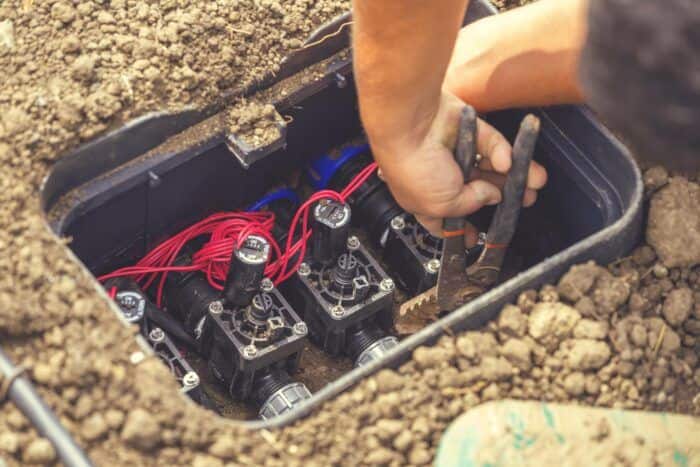
How Often Should Irrigation Systems Be Inspected?
If you live in Florida, you know that maintaining a healthy, green lawn isn’t just about turning on your sprinklers. Between intense summer heat, sudden downpours, and seasonal droughts, your irrigation system works overtime to keep your landscape looking great. But like any hard-working system, it needs regular attention. So—how often should irrigation systems be inspected in Florida?
Let’s review what every Florida homeowner needs to know about sprinkler maintenance schedules, check-up frequency, and keeping their lawns in top shape year-round.
Why Irrigation Inspections Matter (Especially in Florida)
Florida’s subtropical climate makes irrigation systems a necessity, not a luxury. Between hot, dry spring days and stormy summers, your lawn is exposed to rapidly changing conditions. An efficient sprinkler system helps balance water distribution and prevents issues like overwatering brown patches, as well as soil erosion.
But even the best systems degrade over time—heads get clogged, lines break underground, and timers fall out of sync. Without regular inspections, you may end up with:
- Skyrocketing water bills
- Dry or flooded patches in your yard
- Wasted water due to leaks or overspray
- Unhealthy plants and grass
- Unseen damage that leads to costly repairs
That’s why a consistent inspection schedule is so important—especially in Florida’s demanding environment.
How Often Should Irrigation Systems Be Inspected?
At a minimum, your irrigation system should be professionally inspected twice per year—ideally at the start of the dry season (spring) and again at the start of the wet season (late summer/early fall). But depending on your property size, system complexity, and water usage, quarterly inspections are often recommended for Florida homeowners who want to avoid surprises.
Here’s a general sprinkler maintenance schedule to follow:
Spring (March-May)
- Check for freeze or off-season damage
- Test all zones for pressure, alignment, and coverage
- Adjust watering times for the growing season
- Clean or replace nozzles
Summer (June–August)
- Monitor for overwatering or runoff during the rainy season
- Fine-tune system based on rainfall frequency
- Watch for signs of fungus or lawn disease
Fall (September–November)
- Reduce watering times as temperatures drop
- Inspect for any damage caused by heavy rains or wind
- Make any necessary end-of-season repairs
Winter (December–February)
- Florida lawns still need occasional watering, especially during dry cold fronts
- Run a full system check once a month
- Make sure timers are correct (especially after Daylight Saving Time changes)
For properties with smart irrigation systems or those using reclaimed water, more frequent checks might be needed to maintain sensor accuracy and avoid system errors.
Signs Your System Needs an Inspection—Now
Even if you follow a seasonal schedule, keep an eye out for these common red flags that indicate an inspection is overdue:
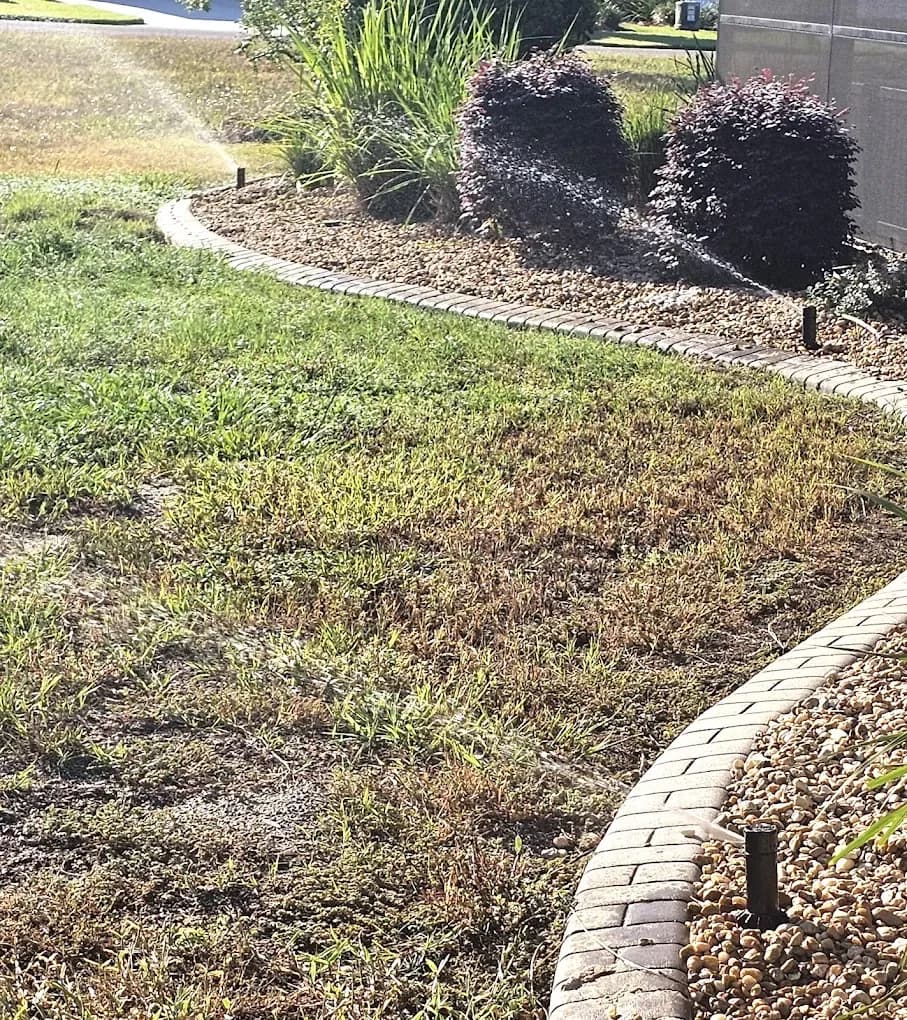
- Uneven watering (dry spots or puddles)
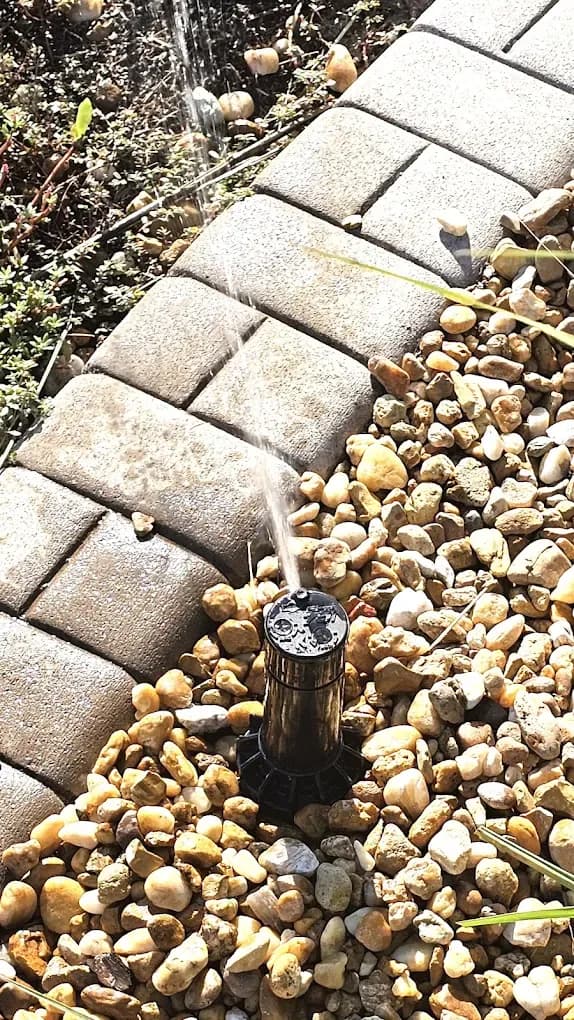
- Sprinkler heads not popping up or rotating correctly
- Visible water leaks around valves or heads
- Overspray onto sidewalks, driveways, or streets
- Increased water bill without an obvious cause
- Grass that looks yellowed, patchy, or fungus-ridden
If you notice any of these signs, don’t wait for your next scheduled inspection. A quick tune-up could save you hundreds of dollars and a lot of lawn headaches.
DIY vs. Professional Irrigation Check-Ups
It’s always a good idea for homeowners to perform regular visual checks of their irrigation system, but there are limits to what you can catch on your own. A DIY inspection might involve walking the yard, looking for obvious issues like broken sprinkler heads or dry patches, and clearing away debris that could block the nozzles. You can also manually run each zone to make sure the sprinklers are popping up and spraying in the right direction.
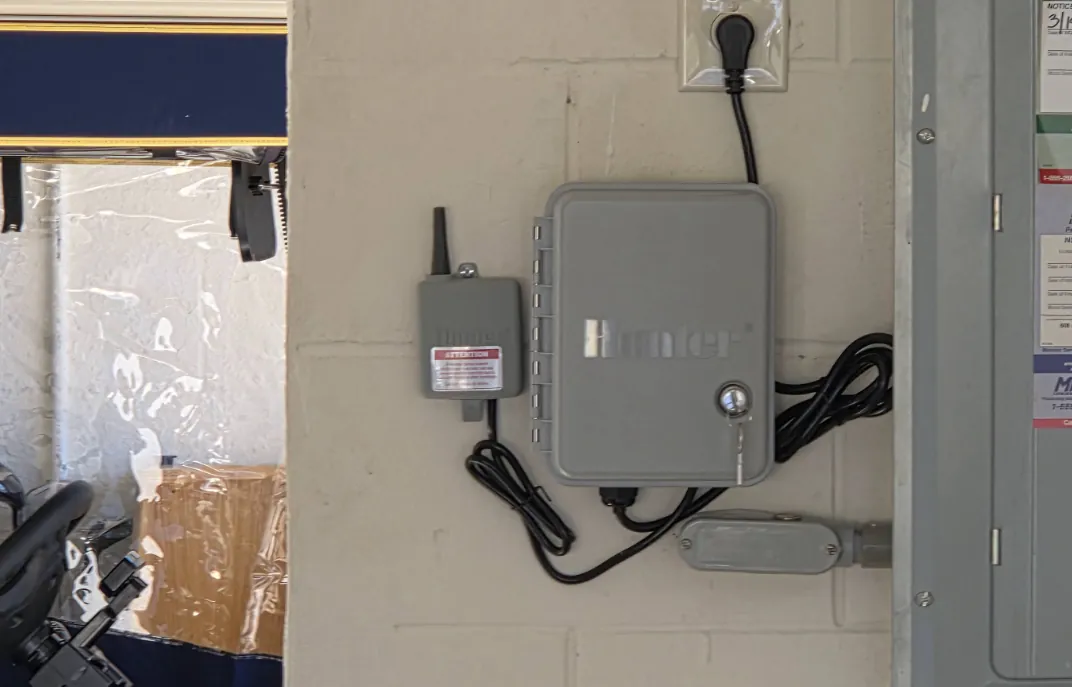
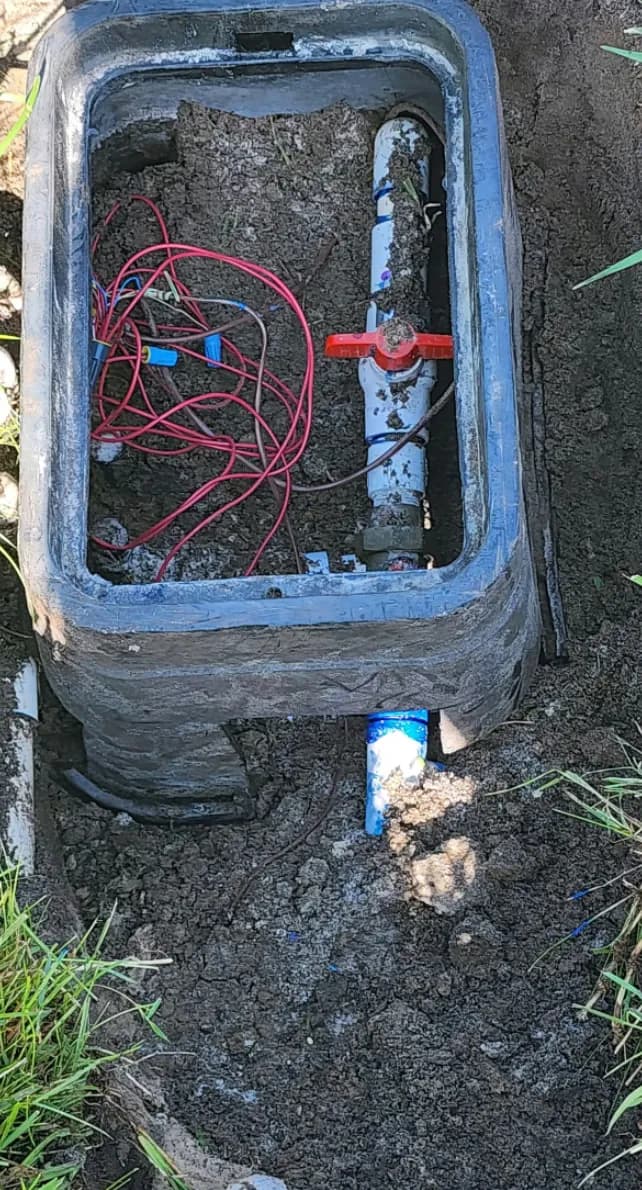
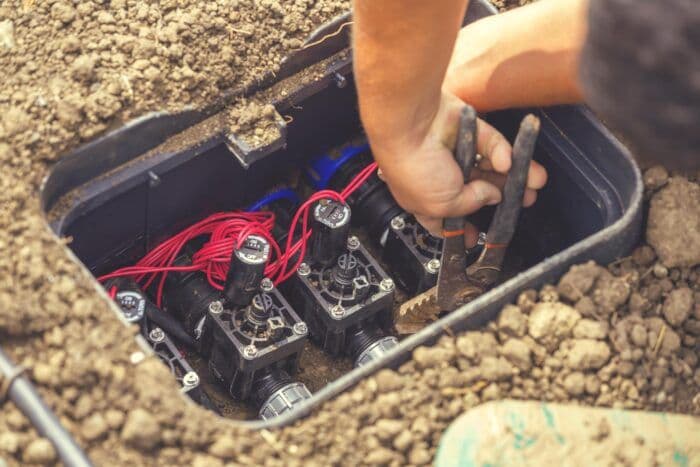
However, a professional irrigation inspection goes much deeper. A trained technician will test your water pressure, check for hidden leaks below the surface, and inspect key components like valves, manifolds, and backflow preventers that most homeowners overlook. They’ll also evaluate the system’s overall efficiency and reprogram your controller for optimal performance based on the season and local water regulations.
In short, DIY inspections are helpful for spotting surface-level issues between visits, but professional check-ups are essential for uncovering hidden problems, improving water efficiency, and extending the life of your system.
Unless you’re trained in irrigation systems, a DIY check-up is best used between professional visits. Think of it like brushing your teeth—it’s essential, but you still need to see the dentist.
Lawn Irrigation Tips for Florida Homeowners
To keep your yard looking lush while keeping your irrigation system running smoothly, follow these Florida-specific lawn care tips:
1. Water Early in the Morning
- Watering between 4–8 a.m. reduces evaporation and fungal growth.
- Avoid watering in the evening, especially during humid months.
2. Adjust for Rainfall
- Florida’s weather can change overnight. Install a rain sensor to skip watering when nature takes care of it.
- Some counties even require this by law.
3. Don’t Overwater
- Most Florida lawns need about 1 inch of water per week, including rainfall.
- Overwatering weakens root systems and attracts pests.
4. Invest in a Smart Controller
- Smart irrigation systems adjust watering based on weather, soil moisture, and time of year.
- They can reduce water waste and extend your system’s lifespan.
5. Clear Grass & Debris from Heads
- After mowing, walk the yard and brush away grass clippings or dirt from sprinkler heads to prevent clogging.
Why Choose IrriGators LLC for Your Sprinkler Inspections?
At IrriGators LLC, we specialize in helping Central Florida homeowners protect their landscapes—and their wallets. Our expert team provides:
- Thorough system inspections
- Fast repairs for leaks, broken heads, and more
- Smart irrigation controller installations
- Drainage solutions to prevent yard flooding
- Seasonal tune-ups to match Florida’s climate
Whether you’re in Orlando, Kissimmee, or anywhere in Central Florida, we offer reliable, local service with fast turnaround times and honest pricing.
Schedule Your Irrigation Inspection Today
Think of an irrigation system inspection as an investment—not a chore. A small issue today could turn into a major expense tomorrow. With Florida’s unique mix of heat, humidity, and rain, it pays to be proactive.
Need help keeping your system in peak condition?
Call IrriGators LLC today to schedule a professional inspection and keep your lawn looking its best—season after season.
Frequently Asked Questions
How often should irrigation systems be inspected in Florida?
At a minimum, twice per year—ideally in spring and fall. For best results, inspect quarterly or anytime you notice performance issues.
Can I inspect my own sprinkler system?
You can do a basic walkthrough, but a professional has the tools and expertise to catch hidden problems, such as underground leaks or pressure issues.
What’s included in a professional sprinkler inspection?
A technician checks all zones, heads, valves, controllers, and pipes for leaks, clogs, misalignments, and efficiency issues.
Do irrigation systems need maintenance even during the rainy season?
Yes—Florida’s rain doesn’t always water evenly. Plus, heavy rain can damage components or throw off system settings.
How long does a sprinkler inspection take?
Most residential inspections take 30–60 minutes, depending on the size of your yard and system complexity.
Would you like a featured image and meta description to go with this blog?
< Older Post
Not sure what's wrong with your system?
Start with the 20-point inspection. You get a written report either way.