
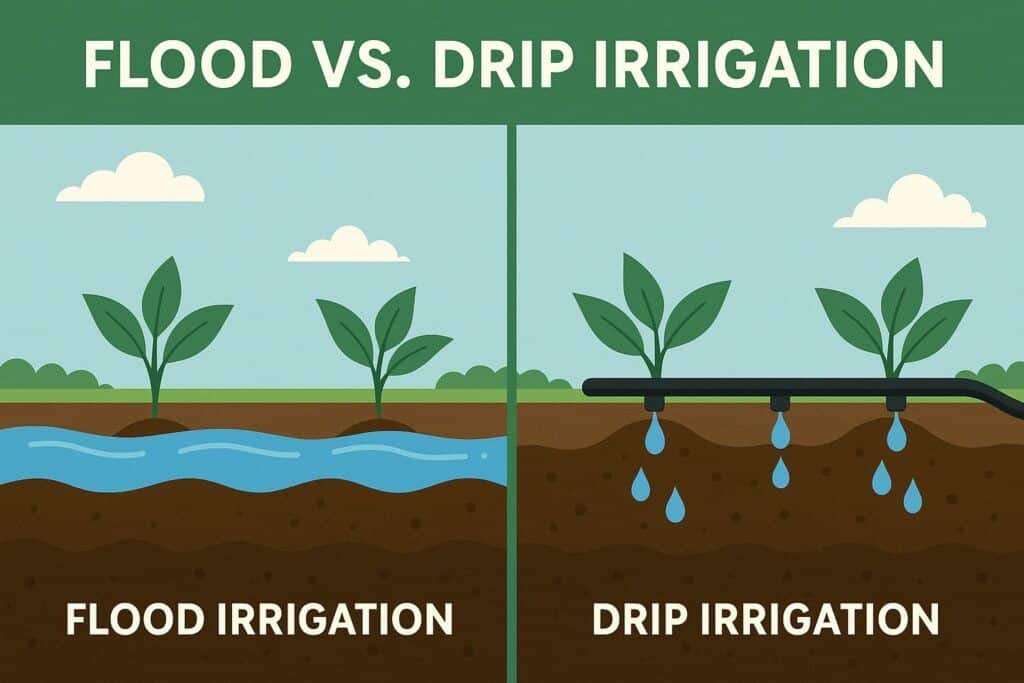
Flood vs. Drip Irrigation: What’s Best for Your Florida Landscape?
At IrriGators, we’re all about helping Florida property owners make smart decisions about watering their landscapes. One of the most common questions we hear from clients is about the difference between flood irrigation and drip irrigation and which one is better for their lawn, garden, or commercial property.
If you’ve been wondering the same thing, you’re not alone. Choosing the right irrigation method is about more than just convenience. It’s about water efficiency, long-term maintenance, and ensuring your plants get exactly what they need—without waste.
Let’s examine the key differences and help you decide which system is best for your property.
What Is Flood Irrigation?
Flood irrigation is one of the oldest and most traditional methods of watering crops and landscapes. It works by allowing water to flow freely over the surface of the soil, typically by releasing it from a nearby canal, pipe, or holding tank. Gravity does the rest, saturating the soil across a broad area.
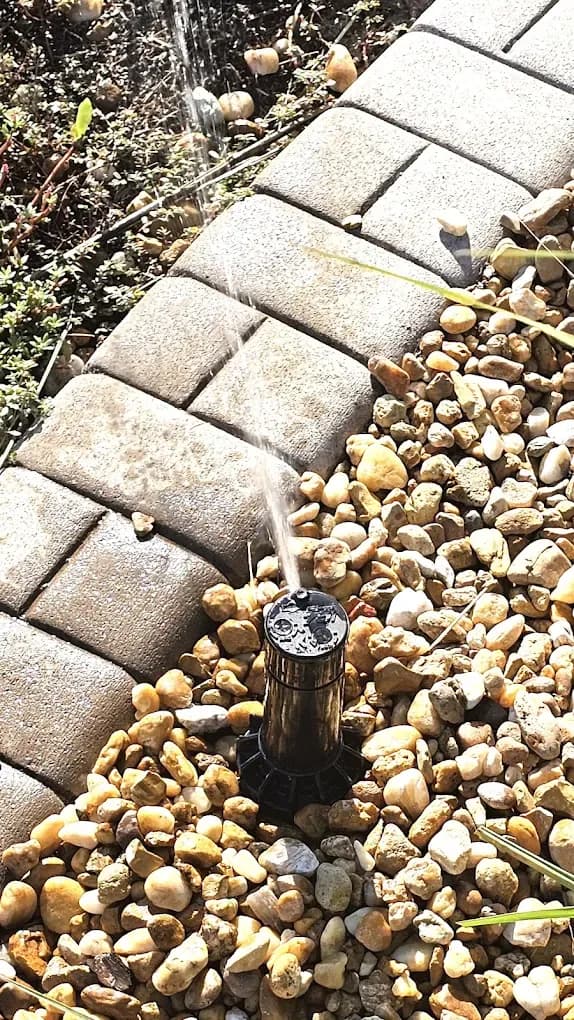
Pros of Flood Irrigation:
- Simple setup: There’s no need for elaborate plumbing or emitters.
- Cost-effective installation: Initial costs are usually lower than drip systems.
- Covers large areas quickly: Ideal for flat fields or large open spaces.
Cons of Flood Irrigation:
- Water waste: Flood irrigation often leads to runoff and evaporation, especially in Florida’s warm, humid climate.
- Uneven watering: Water distribution can be inconsistent, especially on uneven ground.
- Higher weed growth: More water on the surface means more chances for weeds to thrive.
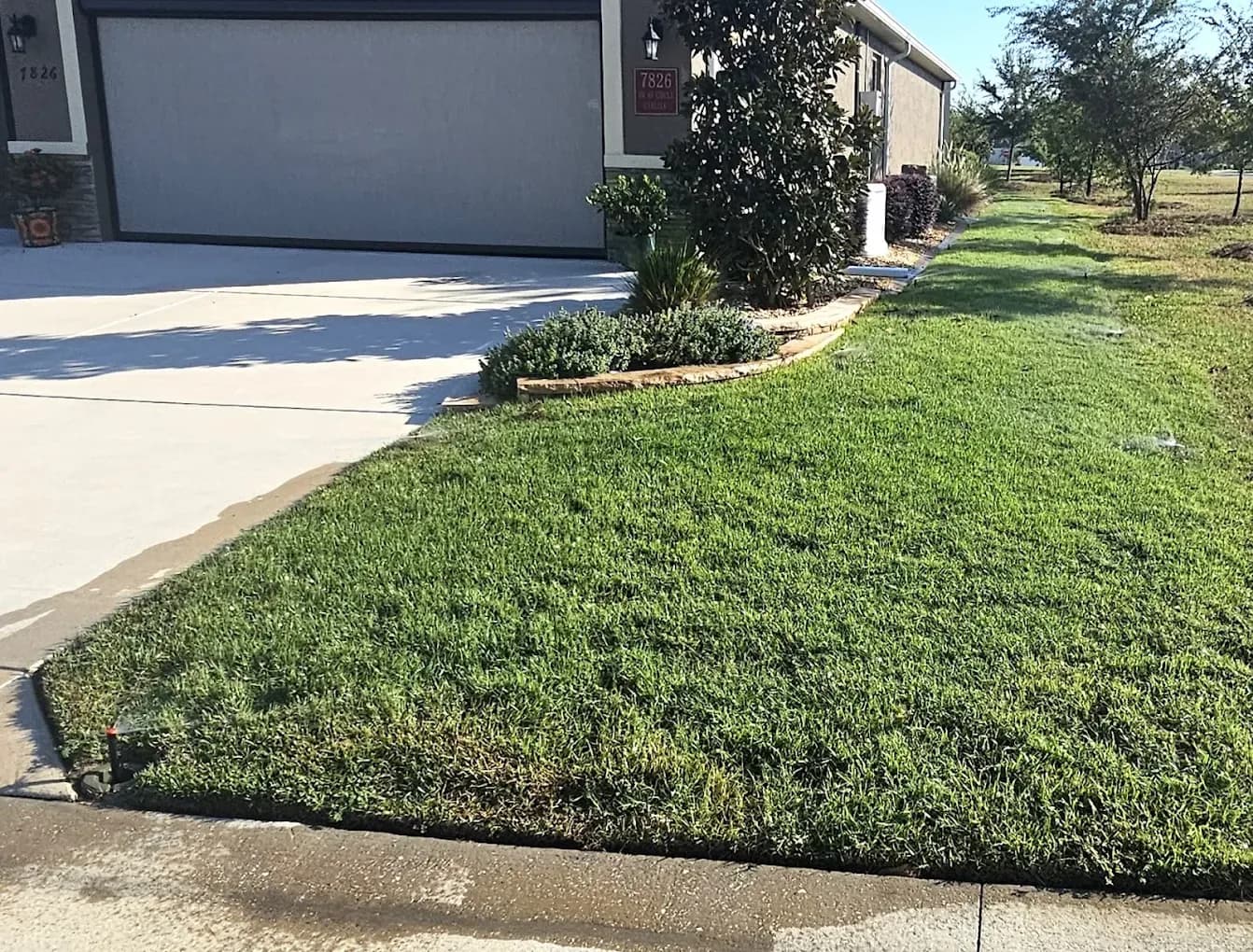
What Is Drip Irrigation?
Drip irrigation is a modern, targeted watering method. Instead of flooding a whole area, drip systems deliver water directly to the base of plants through a network of tubing, emitters, and valves. This low-pressure system releases water slowly and precisely where it’s needed most—right at the roots.
Pros of Drip Irrigation:
- Water efficiency: Drip systems are designed to minimize waste by reducing evaporation and runoff.
- Healthier plants: Delivering water directly to the root zone encourages deeper root growth and better plant health.
- Ideal for Florida landscapes: With sandy soil and frequent drought conditions, a slow, steady water supply helps prevent overwatering and erosion.
- Less weed growth: Since water is only applied where it’s needed, weeds are less likely to sprout in the surrounding soil.
Cons of Drip Irrigation:
- Higher upfront cost: More parts and planning are required.
- Ongoing maintenance: Emitters can clog over time, especially in areas with hard water or sediment buildup.
- Not ideal for every terrain: For properties with large open fields or limited infrastructure, flood systems may still be more practical.
Key Differences Between Flood Irrigation and Drip Irrigation
So, what’s the real difference between flood irrigation and drip irrigation in terms of how they work and what they offer? Flood irrigation takes a broad, less controlled approach. Water is released across the entire surface of the soil, soaking everything in its path. It’s quick, and it works well on large, flat properties—especially in agricultural settings—but it’s not very efficient. You lose a lot of water to evaporation and runoff, and it’s hard to control how evenly your plants are watered. That often leads to dry patches in some areas and overwatering in others, not to mention encouraging unwanted weed growth.
Drip irrigation, on the other hand, is all about precision. Instead of saturating an entire area, it slowly delivers water right at the base of your plants using a system of emitters and tubing. That means less waste, better moisture retention in the root zone, and healthier plants overall. Drip systems are especially effective in Florida, where sandy soil and intense sun can make it tough to keep your landscape hydrated without overdoing it.
If your goal is to conserve water, reduce your utility bills, and give your plants exactly what they need to thrive, drip irrigation is often the better long-term investment. But if you’re managing a large piece of land with minimal infrastructure, flood irrigation still has a place.
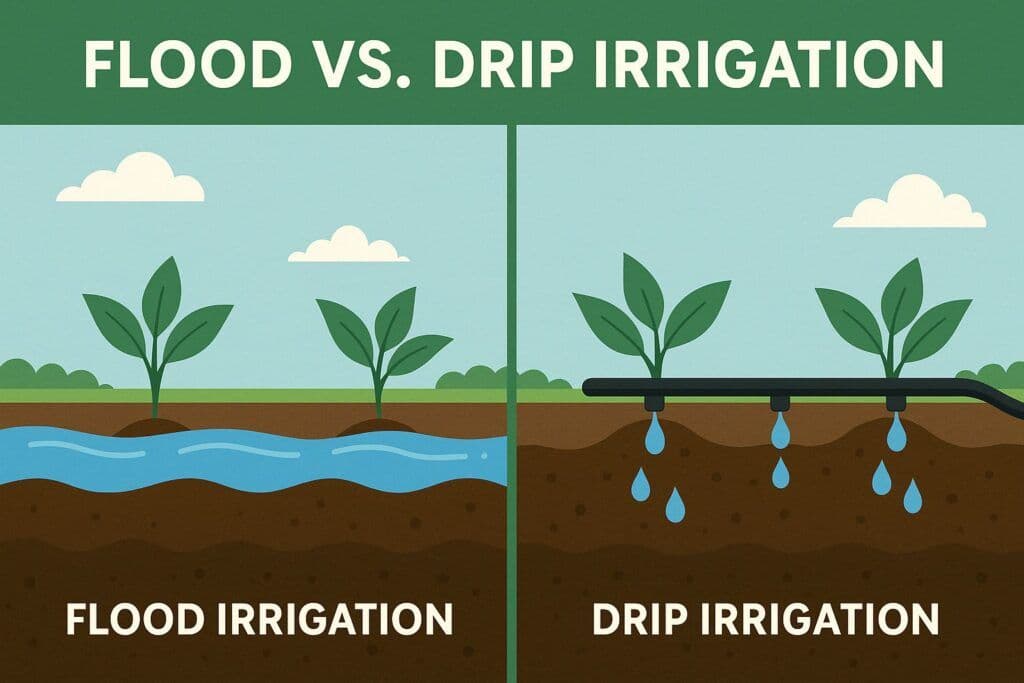
Why Drip Irrigation Is Often Better for Florida Lawns
Florida’s weather conditions and soil types make drip irrigation a standout choice. Between our hot summers, sandy soils, and unpredictable rainfall, you need a system that offers control and precision.
Here’s why drip systems are particularly effective in Florida:
- Sandy soils drain fast — drip irrigation helps retain moisture longer around plant roots.
- High heat causes rapid evaporation — drip systems keep water low and shaded, reducing waste.
- Water conservation matters. Many Florida cities and counties have strict watering regulations, and drip systems help you stay compliant.
If you’re trying to grow a lush lawn, vibrant flower beds, or a productive vegetable garden in Florida, it’s hard to beat the consistent performance of drip irrigation.
When Flood Irrigation Still Makes Sense
Although we strongly advocate for drip irrigation in most residential and commercial landscapes, flood irrigation is still a viable option in some situations. For example:
- Large rural properties without access to pressurized water
- Agricultural fields where infrastructure investment isn’t feasible
- Flat terrain where water naturally spreads evenly
Even in those cases, it’s worth talking to a professional irrigation company (like us) to see if a hybrid or upgraded solution could improve performance and efficiency.
Which System Is Right for You?
The truth is that no two properties are the same. The best irrigation system for your landscape depends on factors like:
- Your property’s size and layout
- The type of plants you’re growing
- Water availability and pressure
- Budget and long-term maintenance goals
That’s where IrriGators comes in. We don’t just install systems—we evaluate your needs, offer tailored recommendations, and handle the design, installation, and ongoing maintenance of your irrigation system. For years, we’ve been helping Florida homeowners and businesses become smarter about their watering systems, and we’d love to help you do the same.
Ready to Upgrade Your Irrigation System?
Now that you understand the difference between flood irrigation and drip irrigation, it’s time to decide what’s best for your landscape. If saving water, improving plant health, and getting long-term performance sounds like your kind of solution, we’re ready to help. Contact Us today to schedule a consultation. We’ll walk your property, assess your current system, and give you a clear recommendation on what kind of irrigation setup will work best for your needs.
FAQ: Flood vs. Drip Irrigation
Q: Is drip irrigation really more water-efficient than flood irrigation?
Yes. Drip irrigation can reduce water usage by 30–50% compared to traditional flood systems by delivering moisture directly to the plant roots.
Q: Is it expensive to switch from flood irrigation to drip irrigation?
It depends on your setup, but many Florida property owners find that the long-term savings on water bills quickly offset the installation costs. We’re happy to give you a detailed quote.
Q: Can I install a drip irrigation system myself?
DIY kits are available, but for best results—especially for larger landscapes—it’s wise to let a professional like IrriGators handle the design and installation.
Q: Does drip irrigation work for lawns or just garden beds?
While drip systems are especially popular for garden beds and flowerbeds, options like subsurface drip lines work well for turf and grassy areas, too.
Q: How often does a drip irrigation system need maintenance?
We recommend checking filters and emitters every season. A quick inspection helps keep your system running efficiently.
< Older Post
Not sure what's wrong with your system?
Start with the 20-point inspection. You get a written report either way.