
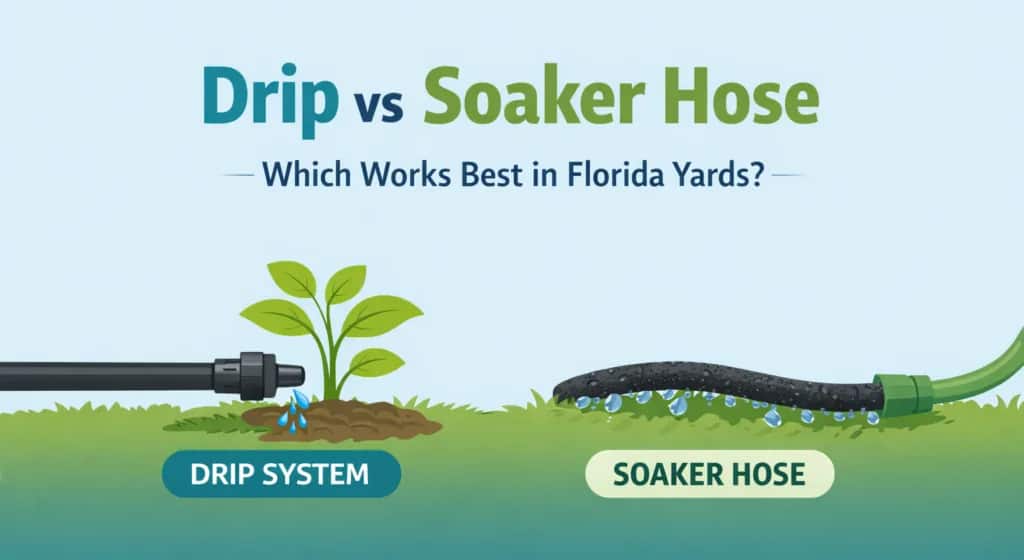
Drip Irrigation System vs Soaker Hose in Florida
If you’ve lived in Central Florida for any length of time, you already know our weather doesn’t play around. We get long stretches of heat, sudden downpours, sandy soil that drains like a sieve, and landscapes that never really “go dormant” the way they do up north. That combination makes watering a little tricky.
Two of the most common low-pressure watering options we get asked about are drip irrigation systems and soaker hoses. On the surface, they look similar – water comes out slowly along a line near your plants – but in day-to-day use, they behave very differently, especially in Florida conditions.
At IrriGators LLC, we install and service both, but we don’t recommend them for the same situations. Let’s break down drip irrigation vs. soaker hoses for Central Florida landscapes so you can choose the right setup for your yard, beds, and plants.
A Quick Look at How Each System Works
Before we talk about heat, sandy soil, and year-round growing, it helps to understand the basics.
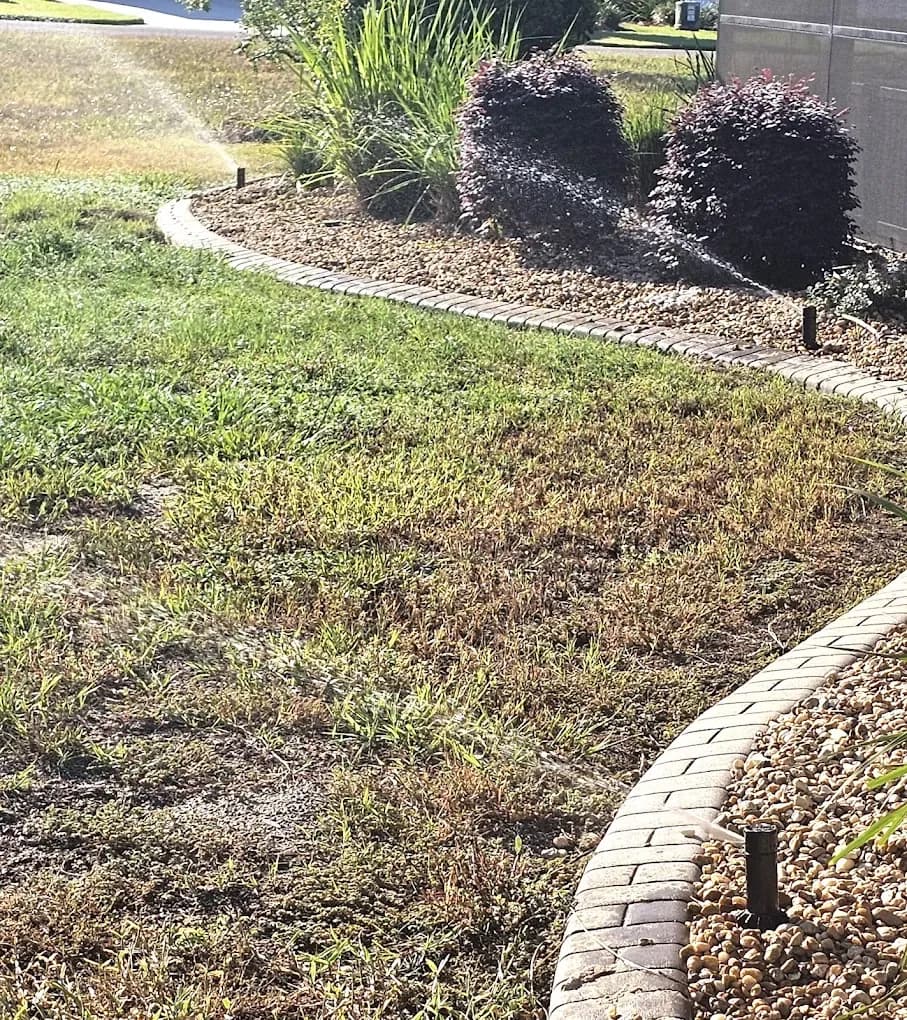
What is a Drip Irrigation System?
A drip system uses a network of tubing with built-in emitters or attached drip heads. Those emitters are designed to deliver a specific amount of water (e.g., 1 gallon per hour) directly to the root zone of each plant. A properly designed drip system:
- Runs off your main irrigation line or a dedicated zone
- Uses pressure regulation and filtration
- Can be zoned and timed with your controller
- Delivers predictable, measured water right where it’s needed
It’s more of a “custom-fit suit” than a one-size-fits-all solution.
What is a Soaker Hose?
A soaker hose looks like a regular garden hose but is porous along its entire length. You hook it up to a spigot or line, and water seeps out along the entire length of the hose. You lay it on the soil surface and snake it through beds or around plants.
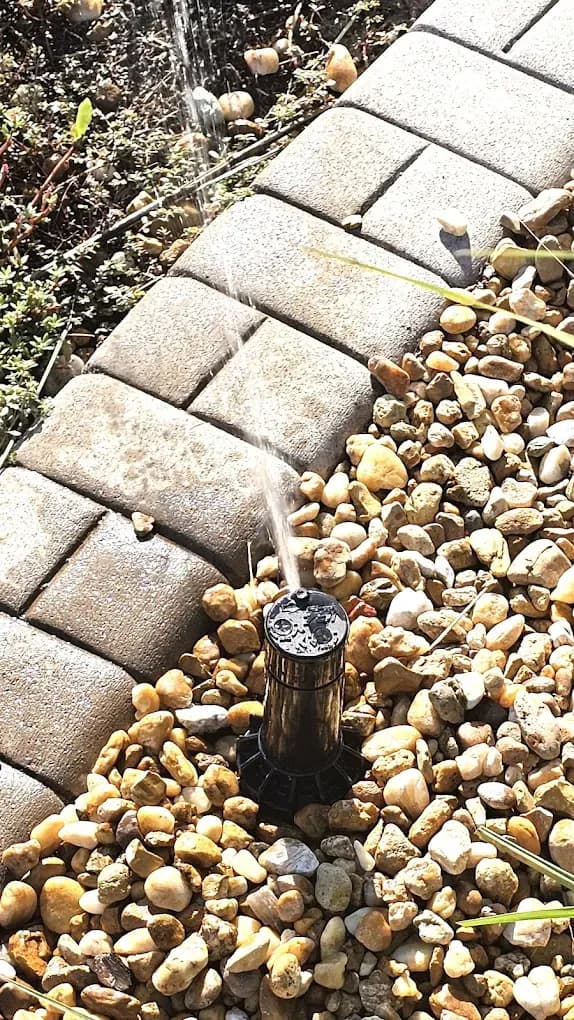
It’s simple, relatively inexpensive, and easy to move. But it’s also less precise, and it doesn’t play as nicely with every Florida yard.
Sandy Soil: Where Your Water Actually Goes
Central Florida is famous (or infamous) for sandy soil. It drains quickly, doesn’t hold moisture for long, and can leave plant roots thirsty just a day or two after watering.
Drip Irrigation in Sandy Soil
A drip irrigation system is very effective in sandy soil when properly designed. Because emitters deliver water slowly and directly to the root zone, you can:
- Run the system a bit longer at lower flow
- Allow water to soak down into the root area instead of spreading out across the surface
- Adjust emitter spacing and flow rate based on plant size and spacing
That slow, targeted delivery gives your plants a better chance to actually use the water before it drains away.
Soaker Hose in Sandy Soil
With a soaker hose in sandy soil, you’ll often see:
- Water is soaking straight down in narrow “stripes” under the hose
- Uneven coverage if plants aren’t lined up right along the hose
- The need to run the water longer to get enough moisture down to the roots
Can a soaker hose work? Yes, especially in small, dense beds. But you typically have less control and more guesswork about how much water each plant is actually getting.
Florida Heat and Sun: Durability and Performance
Our sun is no joke. UV exposure and high temperatures are tough on anything left out in the yard, including irrigation equipment.
Drip Systems in the Florida Sun
Quality drip tubing is designed to withstand UV exposure, and most of it is meant to stay in place long-term. When we install a drip irrigation system, we bury or cover as much tubing as possible with mulch to:
- Protect it from direct sunlight
- Reduce evaporation
- Keep the landscape looking clean and tidy
Emitters can clog over time, especially without filtration, but with proper design and maintenance, a drip system is built to be a permanent part of your landscape.
Soaker Hoses in the Florida Sun
Soaker hoses are usually made from recycled rubber or flexible materials that don’t always love the full Florida sun. Over time, they can:
- Crack
- Kink
- Develop uneven flow
- Become brittle and hard to move
If you’re using a soaker hose above ground, plan on replacing it more frequently, especially in wide-open, sunny areas. They’re fine as a short-term or seasonal solution, but they’re not as durable as a well-installed drip setup.
Year-Round Growing: How Each Handles a Long Season
Unlike colder climates, Central Florida’s landscapes rarely get a true “off-season.” That means your watering system doesn’t get a long break either.
Drip Irrigation for Year-Round Use
A drip irrigation system really shines when you’re watering almost all year:
- Easy to adjust run times at the controller based on the season
- Simple to add or move emitters as plants mature or beds change
- Works well with mixed planting beds (shrubs, perennials, small trees)
Because it’s tied into your main system, you’re not dragging hoses, manually timing every watering, or constantly reconfiguring things as your landscape evolves.
Soaker Hoses for Year-Round Use
Soaker hoses can work for year-round growing, but they require more hands-on management:
- You need to manually turn them on/off or add a separate timer
- The layout can shift when you weed, mulch, or plant new material
- Frequent adjustments are needed to keep them in the right place
If you love tinkering in your garden and don’t mind moving hoses around, a soaker hose can be part of your toolkit. But if you’re looking for a low-maintenance, “set it and forget it” approach, it’s not the best long-term solution on its own.
Water Efficiency and Local Restrictions
Most Central Florida municipalities have watering guidelines or restrictions, especially during dry periods. That makes efficient water use even more important.
- Drip systems are generally considered among the most efficient ways to water landscape plants. They:
- Reduce overspray and runoff.
- Keep water off foliage (which can help reduce disease)
- Deliver moisture slowly enough for the soil to absorb it.
- Soaker hoses are more efficient than overhead sprinklers, but they’re still less precise. You’re watering everywhere the hose runs, whether there’s a plant there or not.
If you’re trying to get the most out of limited watering days or times, a thoughtful drip design will almost always win the drip irrigation system vs soaker hose comparison.
When a Soaker Hose Might Still Make Sense
All that said, there are times we’ll still recommend a soaker hose:
- Short seasonal vegetable beds you replant often
- Temporary watering for new plantings until a full system is installed
- Small areas where running new irrigation lines doesn’t make financial sense
For these smaller, flexible situations, the simplicity of a soaker hose can be an advantage. It’s just important to understand its limits in our Central Florida climate.
When Drip Irrigation Is the Better Long-Term Move
For most established landscapes in and around Ocala, a drip irrigation system is the better long-term choice, especially when:
- You’re dealing with sandy soil and want deeper root watering
- You have a mix of shrubs, trees, and perennials with different needs
- You want the system tied into your existing irrigation controller
- You care about water efficiency and staying in line with local rules
- You want something that blends into the landscape and doesn’t need constant rearranging
Think of drip as part of your home’s infrastructure, not just a garden accessory. Once it’s in and tuned, it quietly does its job in the background so your plants get the water they need without you babysitting the system.
Not Sure Which Option Fits Your Yard? We Can Help.
You don’t have to decide this on your own from a few internet articles and product boxes.
At IrriGators LLC, we work on irrigation systems every day across Central Florida. We see how drip and soaker setups behave in real Ocala yards, under real Florida sun, in real sandy soil. When we walk your property, we’re looking at plant types, soil conditions, existing irrigation, and how much time you want to spend maintaining your system. If you’re weighing drip irrigation system vs soaker hose and not sure what makes sense for your beds, trees, or garden areas, we’d be happy to take a look and give you honest, practical recommendations.
Contact us today schedule a visit, and we’ll help you choose the option that keeps your plants happy, your water use under control, and your landscape looking good all year long.
< Older Post
Not sure what's wrong with your system?
Start with the 20-point inspection. You get a written report either way.