
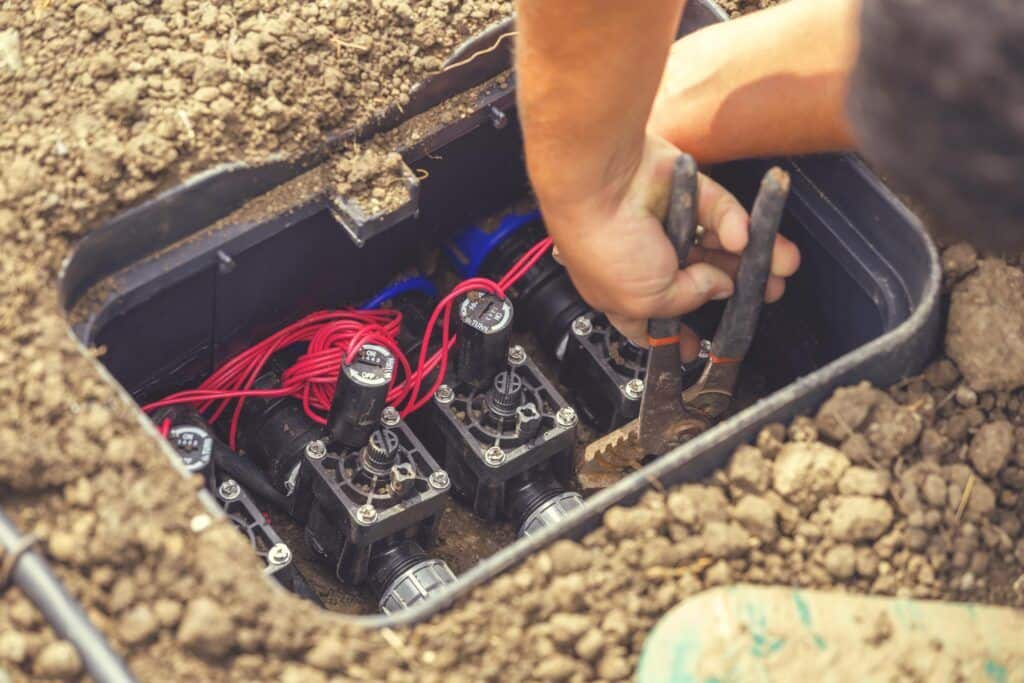
When to Turn Off Irrigation System: Expert Advice from IrriGators LLC
As a homeowner or property manager, ensuring your landscape stays healthy and lush throughout the year requires more than just regular watering. One of the key factors in maintaining an efficient and cost-effective irrigation system is knowing when to turn off irrigation system. Overwatering can be just as harmful as underwatering, so it’s essential to adjust your irrigation practices according to the changing seasons and weather conditions.
In this blog, we’ll discuss the best times to turn off your irrigation system and why it’s crucial for the health of your landscape and the efficiency of your water usage.
Understanding Your Irrigation System
Irrigation systems are designed to deliver consistent and adequate water to your lawn, plants, and garden. However, these systems are often set up on timers, which means they may keep running even when it’s no longer necessary. Over time, relying on an automated irrigation schedule can lead to wasteful water usage and potentially harm your landscape.
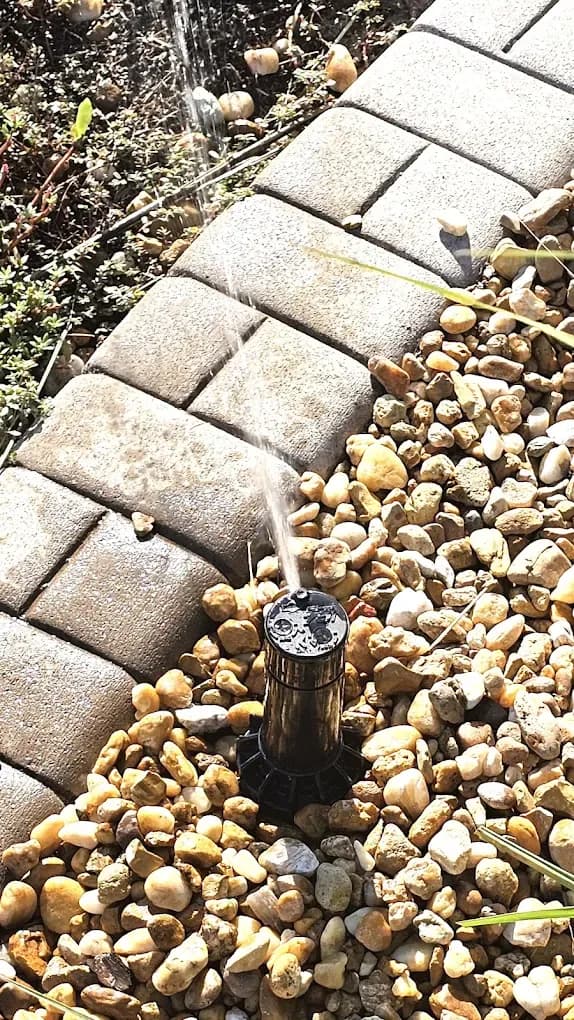
Knowing when to turn off irrigation system involves more than just waiting for a drought or a rainstorm. Several factors, such as weather conditions, seasonal changes, and the specific needs of your plants, should influence the decision to turn off or adjust your system. It’s also important to remember that every irrigation system is different, and what works for one property may not be suitable for another.
When Should You Turn Off Your Irrigation System?
The timing of turning off your irrigation system largely depends on the climate in your area, as well as the type of landscaping you have. Here are some key factors to consider when deciding when to turn off the irrigation system:
1) Seasonal Changes
The most obvious indicator for turning off your irrigation system is the changing of the seasons. In Florida, where IrriGators LLC operates, the climate can be particularly tricky. For instance, during the cooler months of fall and winter, your lawn and plants require less water. Many plants, especially those native to the region, enter a dormant phase during the colder months, meaning their water requirements decrease significantly.
As the weather cools, you may not need to water your landscape as frequently. In some cases, it may be unnecessary to run your irrigation system at all. By late fall and early winter, you should consider reducing the watering frequency or turning off the system completely.
2) Rainfall
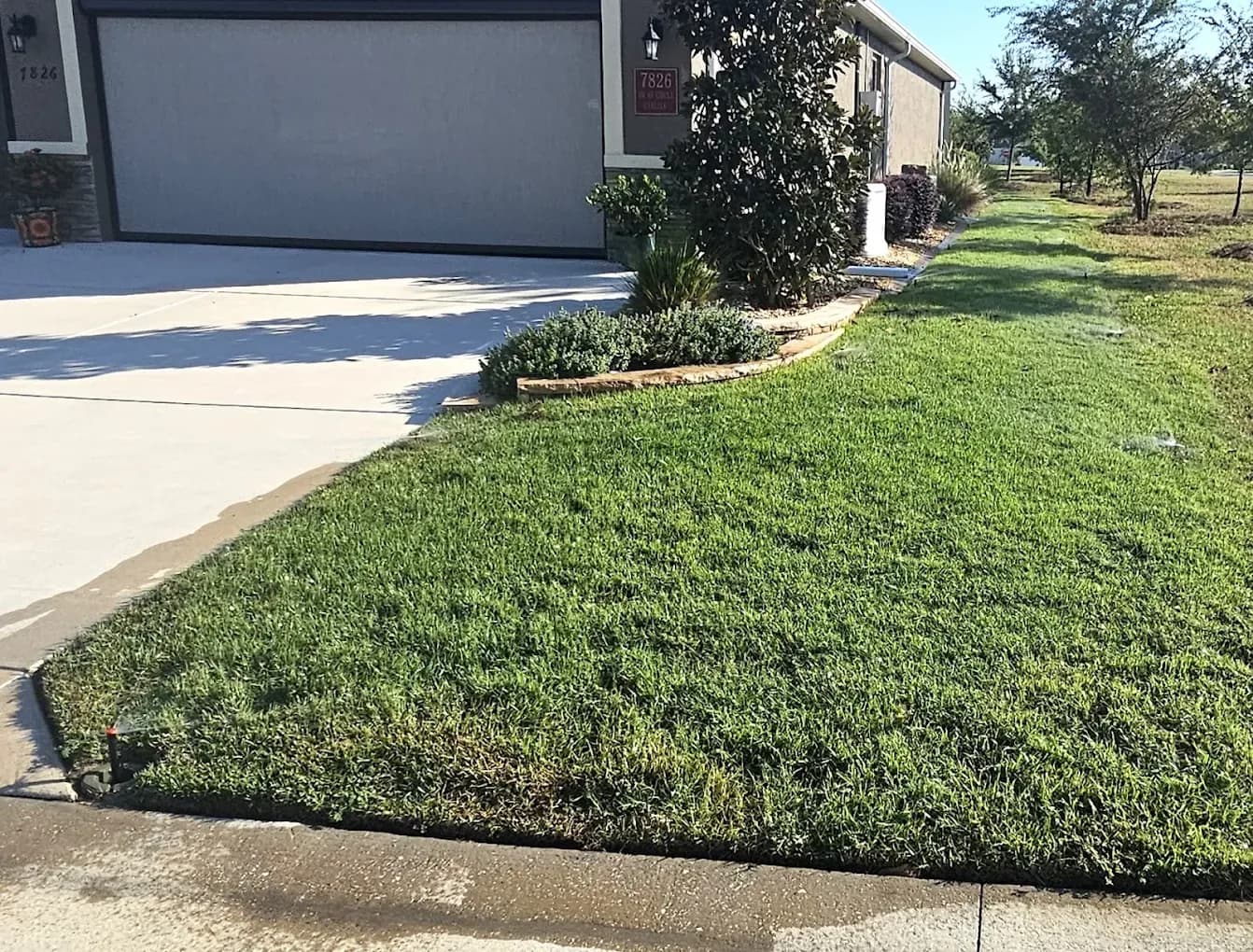
Rain is a natural water source for your plants, and during rainy periods, your irrigation system becomes redundant. Florida experiences frequent rain showers, especially in the summer months, which can often provide ample moisture for your landscape. It’s essential to monitor weather forecasts and adjust your irrigation system accordingly.
If your irrigation system is connected to a smart controller, it may automatically adjust watering times based on recent rainfall. If you’re using a manual system, keep an eye on the weather and make adjustments as needed. Knowing when to turn off irrigation system after a heavy rain is critical to avoid overwatering, which can lead to root rot and other plant diseases.
3) Cooler Weather and Dormant Grass
In Florida, many lawns and plants become dormant during the cooler months of the year. Dormancy in grasses and other plants typically occurs in the late fall and winter, which means they require much less water than in the growing season. During this time, you may find that your lawn does not need regular irrigation at all.
Turning off the irrigation system during cooler months allows your plants to rest and conserve water. Additionally, reducing irrigation during dormant periods saves you money. It helps prevent excessive water runoff, which can contribute to soil erosion.
4) Drought Conditions
Turning off your irrigation system during dry spells or droughts is not only an environmental responsibility but often a legal requirement. Florida has seen its share of water conservation efforts due to ongoing drought conditions. By doing so, you can help conserve water and prevent unnecessary strain on local water resources.
Check with your local government for water usage restrictions during periods of drought. Many municipalities offer guidelines on when to turn off irrigation systems and set restrictions on water usage to ensure that water resources are preserved during these challenging times.
5) Maintaining Efficiency with Seasonal Adjustments
To maximize the efficiency of your irrigation system, it’s essential to make seasonal adjustments to your watering schedule. IrriGators LLC recommends setting your irrigation system to water less frequently during cooler months and adjusting the run times during the summer when your landscape needs more water.
Smart irrigation controllers can be an excellent investment for adjusting your watering schedule based on real-time weather conditions. These systems automatically adjust the watering schedule based on rain forecasts, temperature, and even humidity levels. If you don’t have a smart controller, consider adjusting your manual system by shortening the duration of each watering cycle in the fall and winter.
6) Watch for Signs of Overwatering
One of the easiest ways to know when to turn off an irrigation system is to watch for signs of overwatering. If your lawn feels soggy or you notice standing water in your yard after watering, it’s a clear indicator that the system may be running too often or for too long. Overwatering can lead to waterlogged soil, which deprives plant roots of the oxygen they need to thrive.
If you see these signs, consider adjusting your system to run less frequently or temporarily turning it off. Overwatering is one of the leading causes of lawn problems, so it’s important to monitor your system closely to avoid damage to your landscape.
How IrriGators LLC Can Help with Irrigation System Maintenance
Knowing when to turn off an irrigation system is just one piece of the puzzle when it comes to maintaining an efficient one. The professionals at IrriGators LLC are experts in both the irrigation installation and maintenance of irrigation systems, and we can help you make the most of your system year-round.
Whether you need advice on seasonal adjustments, smart controller installation, or troubleshooting issues with your existing system, our team is here to assist. Regular maintenance ensures that your system runs efficiently, reduces water waste, and keeps your landscape healthy. We also offer seasonal inspections to help you keep your irrigation system in top shape, ensuring you’re ready for whatever weather comes your way.
Final Thoughts: Adjusting for the Seasons
Determining when to turn off irrigation system depends on several factors, from the changing seasons to rainfall and drought conditions. As a general rule, adjust your system in the cooler months when your landscape needs less water, and always monitor for signs of overwatering. By staying proactive with your irrigation system, you’ll not only save water but also protect the long-term health of your plants and lawn.
At IrriGators LLC, we specialize in helping homeowners and businesses optimize their irrigation systems for both efficiency and sustainability. Contact us today to schedule an inspection or to learn more about how we can assist you in maintaining a healthy, beautiful landscape.
< Older Post
Not sure what's wrong with your system?
Start with the 20-point inspection. You get a written report either way.