
What Type of Irrigation is Most Efficient?
When it comes to maintaining a lush, healthy landscape, efficient irrigation is key. Not only does it ensure that your plants receive the right amount of water, but it also helps conserve this precious resource, reducing your water bills in the process. With so many different irrigation systems available, it can be challenging to determine which one is best suited for your needs.
In this blog post, we will explore the most efficient types of irrigation systems, focusing on their benefits and how they can be optimized for the unique climate and soil conditions in Ocala, Florida. As experts in irrigation, IrriGators LLC is here to guide you through the options and help you make an informed decision for your landscape.
Drip Irrigation
Drip irrigation is highly regarded for its efficiency in watering plants. This system utilizes a network of tubes, emitters, and valves to deliver water directly to the base of plants, ensuring precise application and reducing water waste. Here are some key aspects and benefits of drip irrigation:
How Drip Irrigation Works
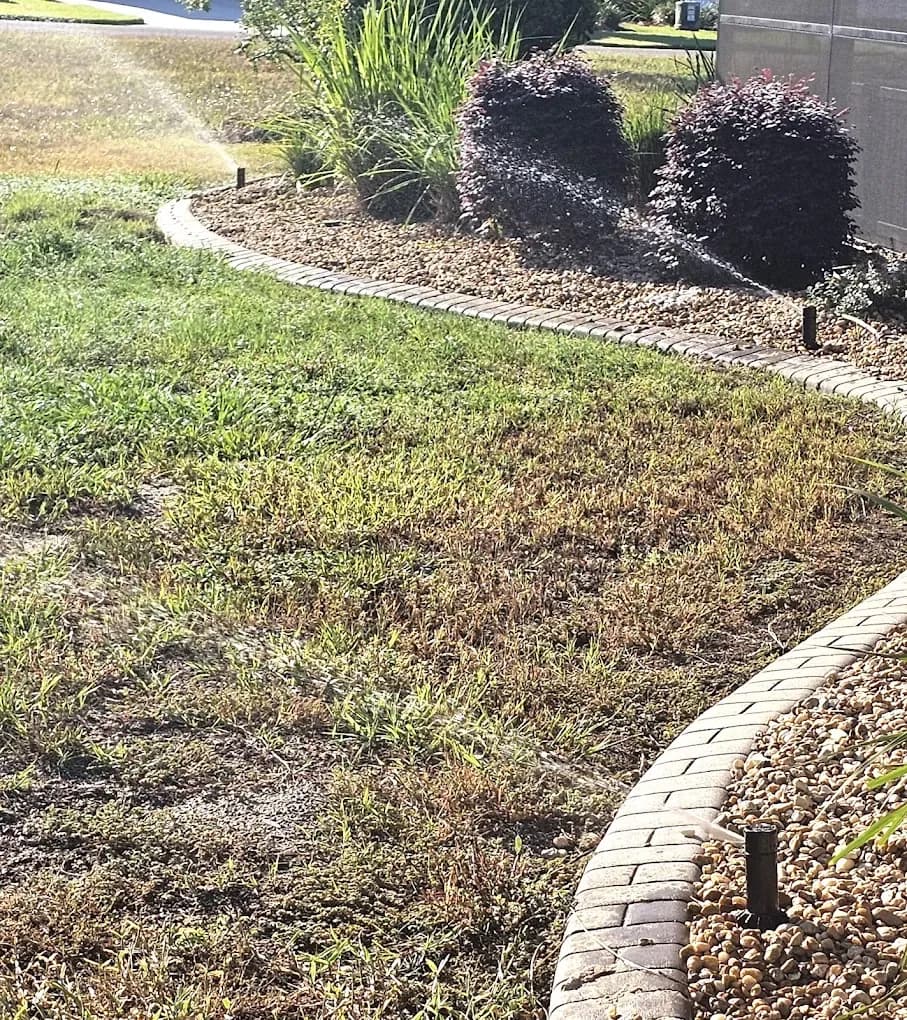
Drip irrigation systems feature a mainline that splits into smaller tubes, each fitted with emitters that deliver water slowly and directly to the plant’s root zone. This targeted method minimizes water loss from evaporation and runoff, making it significantly more efficient than other irrigation techniques.
Benefits of Drip Irrigation
- Water Conservation: Drip irrigation can save up to 50% more water than traditional methods by delivering water exactly where it is needed.
- Improved Plant Health: By maintaining consistent moisture levels in the soil, drip irrigation helps plants grow stronger and more resilient, reducing the risk of diseases that thrive in overly wet conditions.
- Weed Reduction: Since water is delivered directly to the plants, the surrounding soil remains drier, inhibiting weed growth.
- Flexibility: Drip irrigation systems can be easily adjusted to accommodate the specific needs of different plants, making it suitable for gardens, flower beds, shrubs, and even potted plants.
- Cost-Effective: Although the initial setup may require an investment, the long-term savings on water bills and reduced maintenance costs make drip irrigation an economical choice.
Sprinkler Irrigation
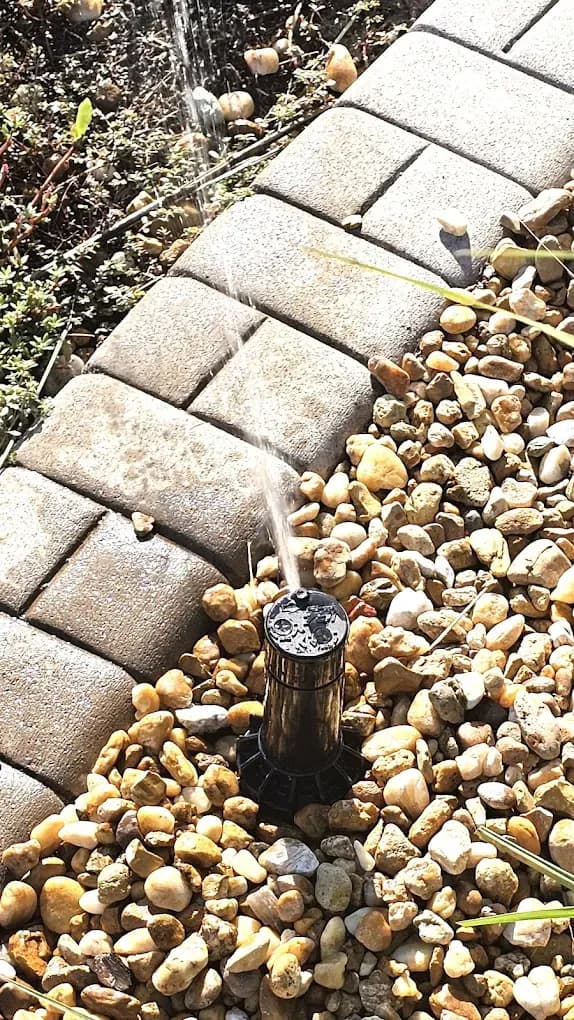
Sprinkler irrigation is one of the most common and versatile irrigation methods, designed to mimic natural rainfall by distributing water through a system of pipes and spray heads. This method is particularly effective for covering large areas like lawns, gardens, and agricultural fields. Here are some key aspects and benefits of sprinkler irrigation:
How Sprinkler Irrigation Works
Sprinkler systems consist of a network of pipes connected to spray heads or sprinklers that disperse water in a controlled manner. The water is sprayed into the air, breaking into small droplets that fall evenly over the landscape. There are various types of sprinklers, including fixed spray heads, rotary heads, and impact sprinklers, each suited for different coverage areas and watering patterns.
Benefits of Sprinkler Irrigation
- Wide Coverage: Sprinkler systems are excellent for watering large areas uniformly, making them ideal for lawns, gardens, and agricultural fields.
- Flexibility: Various types of sprinklers are available, so you can customize the system to suit the specific needs of different plants and landscape layouts.
- Ease of Use: Sprinkler systems can be automated with timers and sensors, allowing for convenient and precise watering schedules without manual intervention.
- Even Water Distribution: When properly designed and maintained, sprinkler systems provide even water distribution, reducing dry spots and ensuring consistent plant growth.
Types of Sprinklers
- Fixed Spray Heads: These sprinklers emit a consistent spray pattern and are ideal for small to medium-sized areas. They are often used for flower beds and small lawns.
- Rotary Heads: Rotary sprinklers rotate to distribute water over a larger area, making them suitable for medium to large lawns and gardens. They provide more even coverage and are more efficient than fixed spray heads.
- Impact Sprinklers: These durable sprinklers use a hammer-like mechanism to create a pulsating spray, covering large areas with adjustable patterns. They are commonly used in agricultural fields and large lawns.
Surface Irrigation
Surface irrigation is one of the oldest and most traditional methods of watering crops and landscapes. This method involves the distribution of water over the soil surface by gravity flow, which allows it to spread across the field or garden. Here are some key aspects and benefits of surface irrigation:
How Surface Irrigation Works
Surface irrigation utilizes gravity to guide water over the soil surface, allowing it to infiltrate the soil and reach plant roots. This method can be implemented in several ways:
- Furrow Irrigation: Water is directed into small parallel channels (furrows) between crop rows.
- Basin Irrigation: Water is applied to small, level, enclosed areas surrounded by bunds (embankments).
- Border Irrigation: Water is applied to strips of land divided by parallel ridges or dikes.
Each method relies on the natural slope of the land to move water across the field, ensuring it reaches all areas that need irrigation.
Benefits of Surface Irrigation
- Simplicity: Surface irrigation systems are simple to design and implement, requiring minimal technical expertise and equipment.
- Low Initial Cost: The initial setup costs for surface irrigation are typically lower than for more complex systems like drip or sprinkler irrigation.
- Suitability for Large Areas: Surface irrigation is particularly well-suited for large agricultural fields and areas where water can be easily directed by gravity.
- Flexibility in Water Source: Surface irrigation can use various water sources, including rivers, canals, and reservoirs, making it adaptable to different settings.
Subsurface Irrigation
Subsurface irrigation is a highly efficient method that involves delivering water directly to the root zone of plants below the soil surface. This method reduces water loss due to evaporation and runoff and promotes healthier, deeper root growth. Here are some key aspects and benefits of subsurface irrigation:
How Subsurface Irrigation Works
Subsurface irrigation systems typically consist of a network of pipes or tubes buried beneath the soil surface. These pipes have small emitters or porous walls that allow water to seep slowly and evenly into the surrounding soil. There are two main types of subsurface irrigation:
- Passive Systems: These systems rely on capillary action to distribute water from a central source, using the natural movement of water through the soil to reach plant roots.
- Active Systems: These systems use pumps to deliver water directly to the buried pipes, ensuring precise control over water distribution.
Benefits of Subsurface Irrigation
- Water Conservation: Subsurface irrigation significantly reduces water loss due to evaporation and runoff, making it one of the most water-efficient irrigation methods.
- Deep Root Watering: Subsurface irrigation delivers water directly to the root zone, encouraging deeper root growth and leading to healthier and more resilient plants.
- Reduced Weed Growth: Since the soil surface remains relatively dry, subsurface irrigation inhibits weed germination and growth.
- Minimal Soil Erosion: With water applied below the surface, there is less risk of soil erosion compared to surface irrigation methods.
- Improved Plant Health: Consistent moisture levels in the root zone help maintain optimal plant health and growth, reducing stress and increasing yields.
Choosing the Right System for Ocala, Florida
Selecting the most efficient irrigation system for your landscape in Ocala, Florida, requires careful consideration of various factors, including climate, soil type, and specific watering needs. Here’s how to choose the right system for your landscape:
Considerations for Ocala’s Climate and Soil
Ocala’s warm climate, characterized by hot summers and mild winters, along with its sandy soils, presents unique challenges and opportunities for efficient irrigation:
- Climate: The high temperatures and frequent sunny days increase evaporation rates, making water conservation crucial.
- Soil Type: Sandy soils drain quickly, which can lead to water runoff if not properly managed. Efficient water delivery directly to the root zone is essential.
Recommendations for Different Scenarios
- Residential Lawns: Sprinkler irrigation systems are ideal for large lawns because they can cover extensive areas evenly. Rotary heads or impact sprinklers are particularly effective in ensuring uniform water distribution.
- Gardens and Flower Beds: Drip irrigation is the best choice for gardens and flower beds. It provides targeted watering directly to the plant roots, minimizing water waste and promoting healthier plant growth.
- Agricultural Fields: Surface irrigation can be suitable for large agricultural fields if properly managed to minimize water loss through evaporation and runoff. Basin irrigation is particularly effective in sandy soils.
- Specialty Crops and Landscapes: Subsurface irrigation is excellent for specialty crops and landscapes that require consistent moisture levels and deep root watering. This method is highly efficient and reduces weed growth.
Expert Advice from IrriGators LLC
At IrriGators LLC, we understand the unique needs of landscapes in Ocala, Florida. Our team of experts can help you assess your specific situation and recommend the most efficient irrigation system for your needs. Here’s how we can assist:
- Site Assessment: We conduct a thorough site assessment to understand your landscape’s specific requirements, including soil type, slope, and plant needs.
- System Design: Our professional design services ensure that your irrigation system is optimized for maximum efficiency and coverage.
- Installation: We use high-quality materials and equipment to install your system, ensuring durability and reliability.
- Maintenance and Support: Regular maintenance and support services keep your system functioning at its best, with periodic checks and adjustments as needed.
Achieve Efficient Watering: Expert Irrigation Solutions for Ocala, Florida
Choosing the right irrigation system for your landscape in Ocala, Florida, involves understanding the unique climate and soil conditions and selecting a method that ensures efficient water use. Whether you need a sprinkler system for your lawn, drip irrigation for your garden or a subsurface system for specialty crops, IrriGators LLC has the expertise to guide you through the process and provide professional installation and maintenance.
Contact IrriGators LLC today for personalized advice and to explore the best irrigation options for your landscape. Let us help you achieve a lush, healthy, and water-efficient garden or lawn in Ocala, Florida.
< Older Post
Not sure what's wrong with your system?
Start with the 20-point inspection. You get a written report either way.