
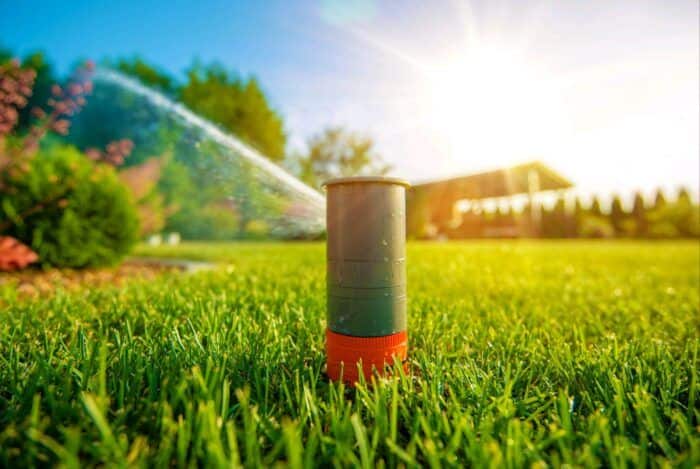
Understanding Lawn Sprinklers: How Does Your Ocala Home’s System Work?
At IrriGators LLC, we specialize in keeping Ocala, Florida’s lawns lush and green through expert sprinkler system repair and maintenance. Whether you’re a new homeowner or a seasoned property manager, knowing how your lawn sprinkler works is essential in ensuring your landscaping thrives year-round. In this blog post, we’ll explore the inner workings of lawn sprinkler systems. From the basic components that make up your system to a detailed look at its operation, we’ll cover everything you need to know to understand and optimize your lawn irrigation. So, if you’ve ever wondered, “How does a lawn sprinkler work?” you’re in the right place. Let’s get started and turn that curiosity into knowledge that waters your world!
Basic Principles of Lawn Sprinkler Systems
A lawn sprinkler system is a network of components that work together to deliver water to your landscape in a controlled and efficient manner. The primary goal of these systems is to ensure that water is distributed evenly across the lawn, providing the hydration necessary to maintain a healthy and attractive outdoor space. Understanding some of your sprinkler system’s fundamental principles and critical components is the first step toward optimal lawn care.
Key Components of a Lawn Sprinkler System
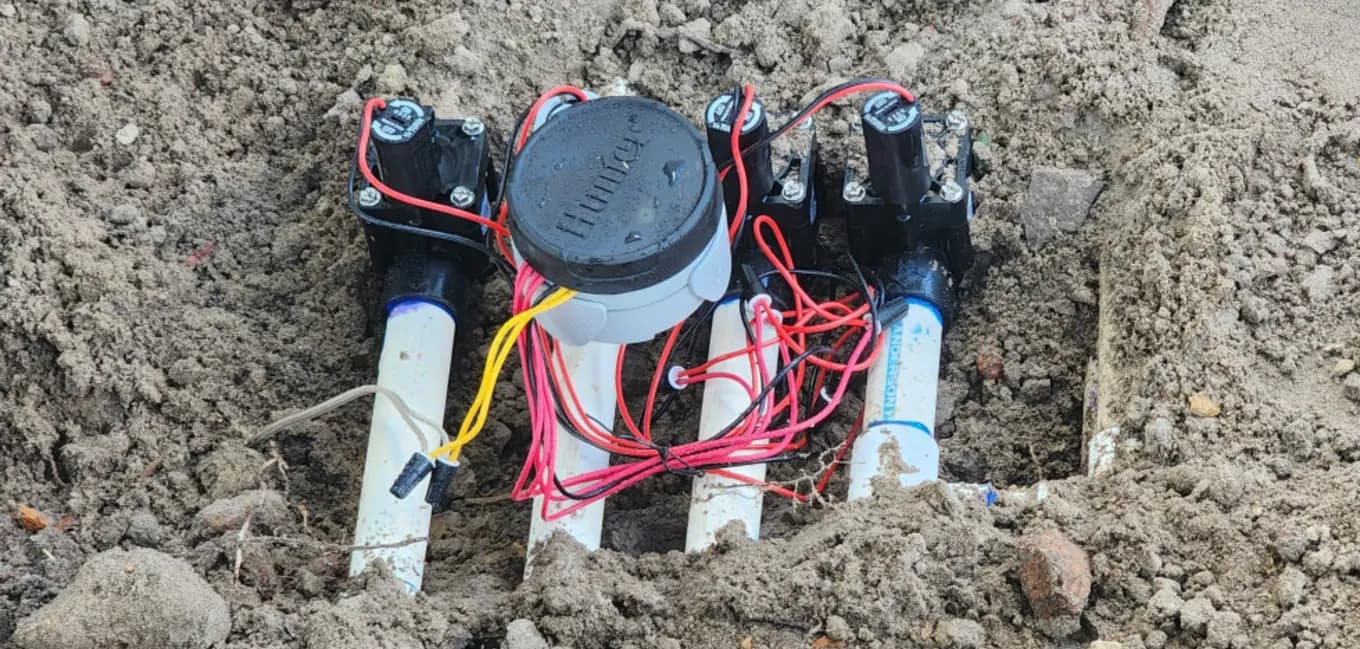
Timer/Controller
The timer, or controller, is the brain of the sprinkler system. It allows homeowners to automate watering based on specific schedules that suit their lawn needs. You can set it to activate the sprinklers at the most beneficial times, such as early morning or late evening, to minimize evaporation and ensure maximum water absorption. Modern controllers can adjust schedules based on weather conditions or integrate with smart home systems for more precise management.
Valves
Valves control the flow of water through the sprinkler system. Each valve is responsible for a specific zone or section of your lawn, allowing for tailored watering based on the unique needs of different areas, such as flower beds needing more frequent watering than shaded grassy patches. The timer activates these valves and will open to allow water through or close to stop it, ensuring efficient water use throughout the landscape.
Pipes
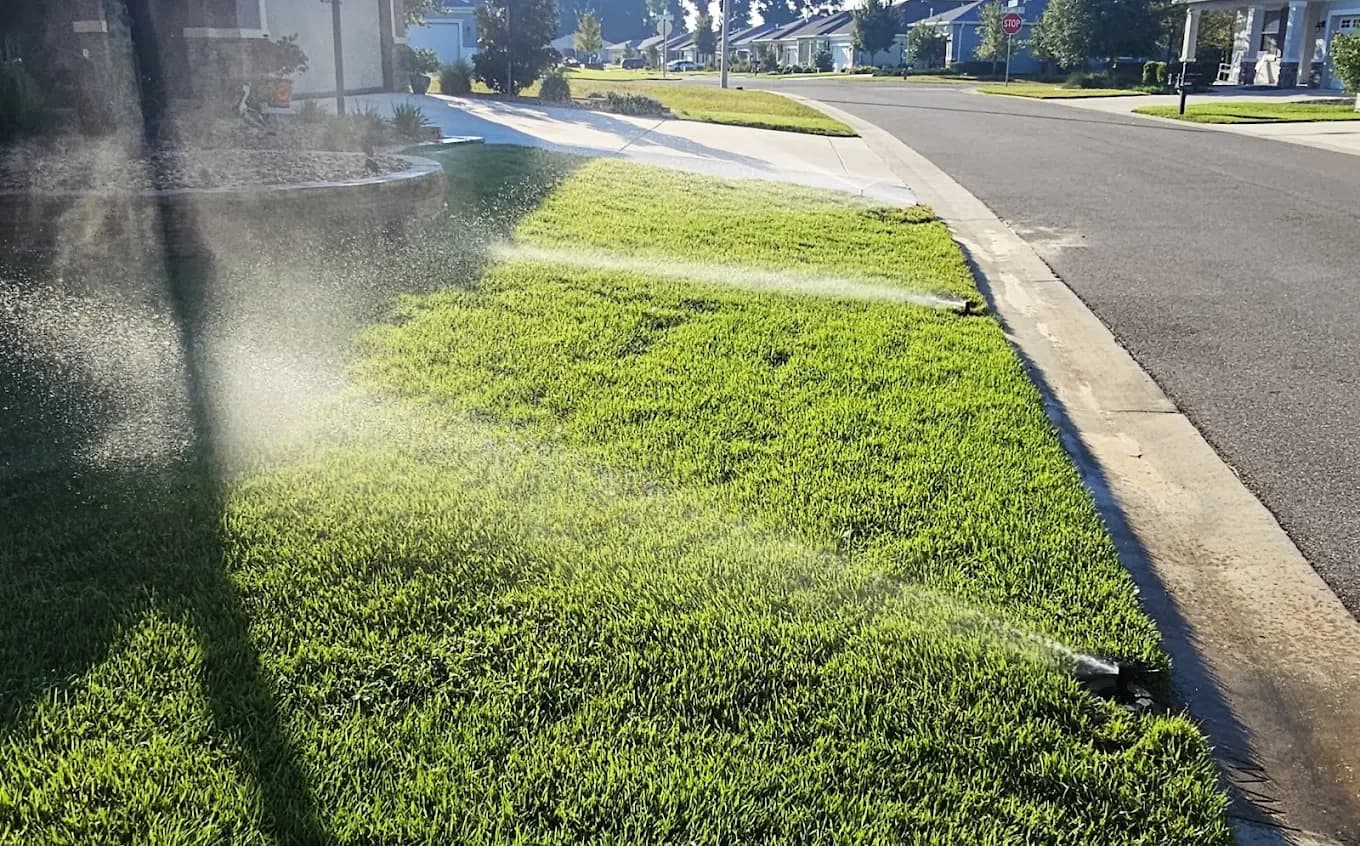
Pipes are the arteries of the sprinkler system, carrying water from your main water supply to the sprinkler heads scattered across your lawn. They are typically made of durable materials like PVC or polyethylene and buried underground to protect them from damage and minimize interference with lawn activities.
Sprinkler Heads
Sprinkler heads are the sprinkler system’s final and most visible component. They come in various types, including fixed, rotary, and oscillating heads, each designed for different irrigation needs. Fixed heads are great for small, uniform areas, while rotary heads can cover larger, circular areas with rotating spray. Oscillating heads can provide a gentle rain-like spray over a rectangular area, ideal for new seedlings or delicate plants.
How These Components Work Together
The effective hydration of your lawn begins with setting the timer and setting the schedule based on your programming. Once activated, the controller sends a signal to open the appropriate valves. Water flows through the pipes and emerges through the sprinkler heads, strategically placed to cover the lawn without over-watering any particular area. This systematized approach ensures that every part of your garden receives the right amount of water at the right time.
By understanding these components and how they interact, you can better appreciate the complexity and efficiency of your lawn sprinkler system. This knowledge helps in everyday use, diagnosing issues, performing routine maintenance, and keeping your Ocala lawn lush and green throughout the year.
Types of Lawn Sprinkler Systems
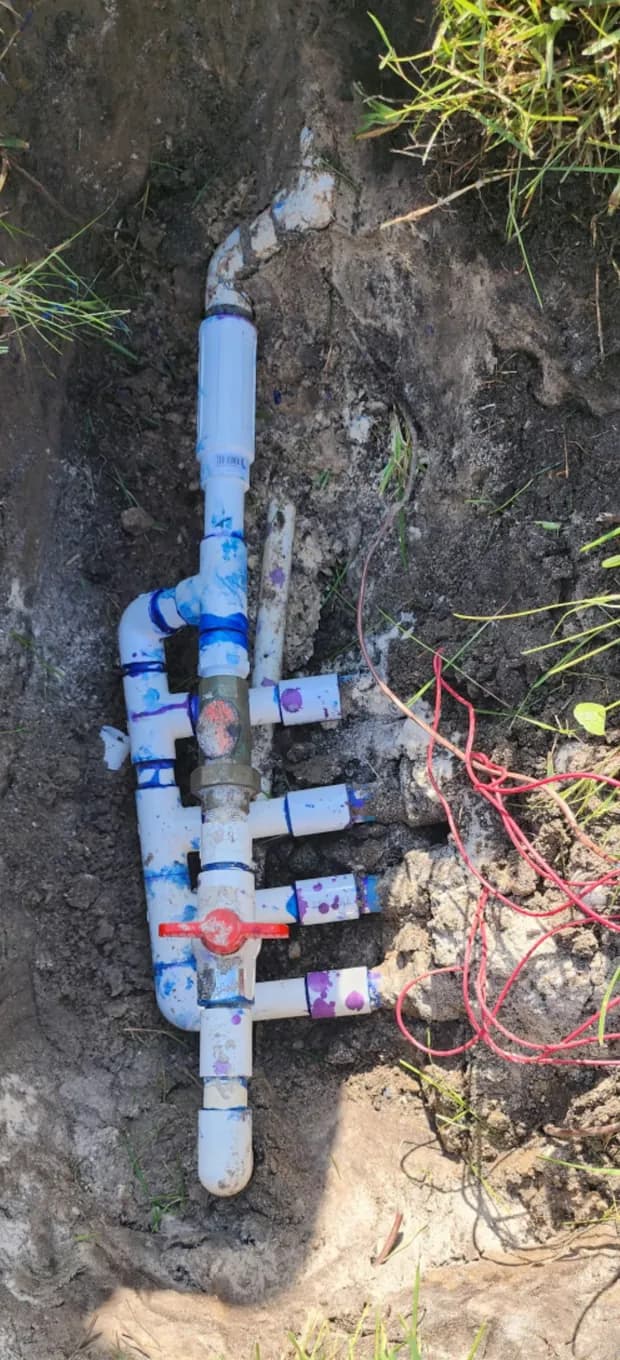
Understanding the various types of lawn sprinkler systems available can help you choose the best option for your property’s specific needs. Each system type is designed to offer optimal irrigation under different conditions and landscape configurations. Here in central Florida, where weather conditions vary significantly, selecting the right system type is crucial for maintaining a healthy and vibrant lawn.
Common Types of Sprinkler Systems:
Rotor Systems
Rotor systems are ideal for large, open lawn areas because they release water rotating, covering a broad area. These systems have sprinkler heads that project water in a circular pattern and can be adjusted to cover various distances and arc settings. Rotor heads are typically spaced further apart than other sprinklers, minimizing water use while ensuring thorough coverage.
Spray Systems
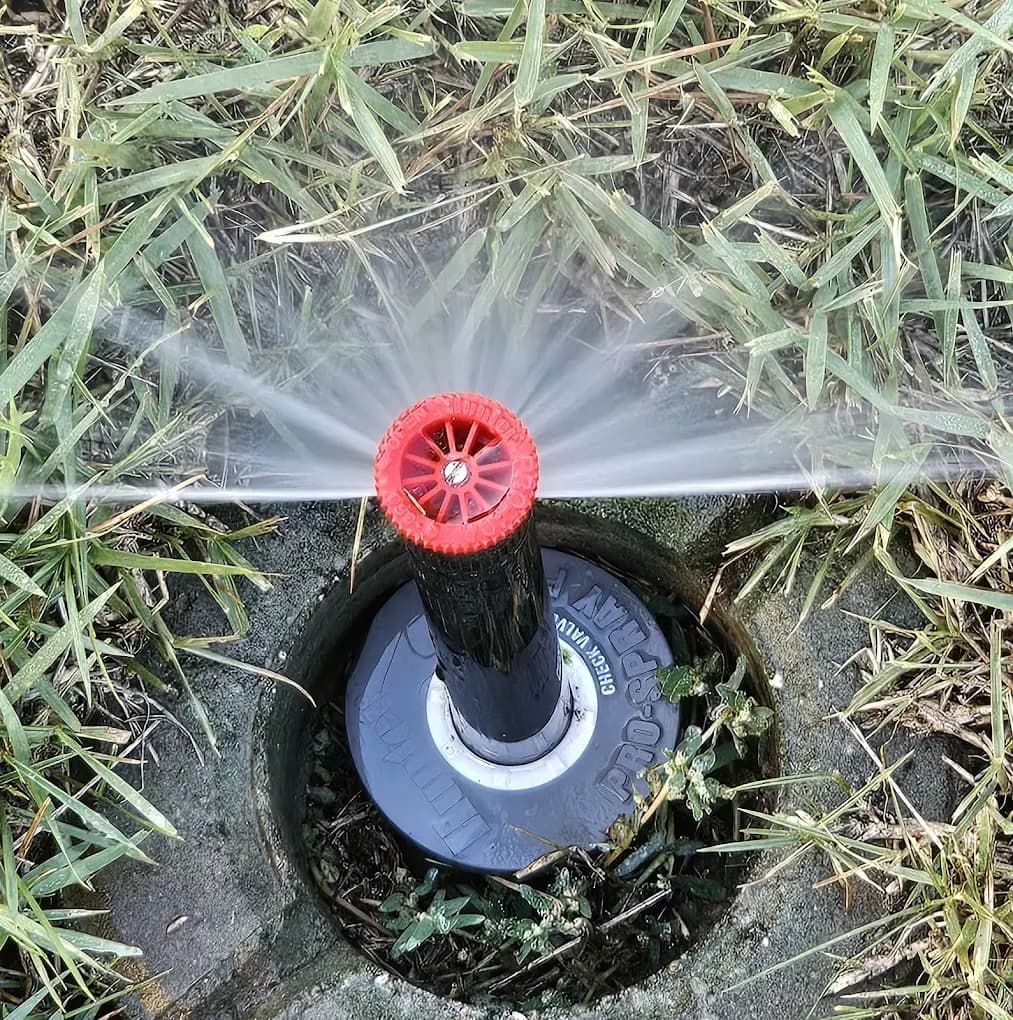
Spray systems are more suitable for smaller, more compact areas. They distribute water in a fixed pattern and are excellent for precise, uniform water distribution. Spray heads are generally used for lawns that require a consistent amount of water across a flat area, as they can maintain a consistent spray pattern and water coverage, making them highly efficient for maintaining lush green grass in residential settings.
Drip Systems
Drip irrigation is the most water-efficient type of irrigation system, especially useful for targeted watering of plants and shrubbery rather than entire lawns. This system delivers water directly to the soil at the base of the plant, which minimizes evaporation and runoff. It’s perfect for flower beds, vegetable gardens, and other non-grass areas where precise water application is crucial for healthy growth.
Popular Sprinkler Systems in Ocala
Rotor and spray systems are particularly popular in the Ocala region due to their versatility and effectiveness in different landscaping layouts.
- Rotor Systems: These are favored for larger residential lawns, common in Ocala’s more spacious suburban communities. Their ability to cover large areas without excessive water waste makes them a sustainable choice in regions experiencing varied rainfall patterns throughout the year.
- Spray Systems: These systems are prevalent in residential areas with smaller lawns or those requiring detailed watering near buildings and hardscape features. Given their precision, they are ideal for maintaining the manicured look that many homeowners in Ocala desire.
While less common for whole lawn care, Drip systems are increasingly used in Ocala to complement traditional sprinkler systems, particularly in environmentally conscious households or where landscaping includes mixed plantings with specific watering needs.
Step-by-Step Guide on How a Lawn Sprinkler Works
A lawn sprinkler system automates garden watering, ensuring your landscape receives the right amount of water at the right time. Here’s a simplified overview of the process from start to finish.
Step 1: Activation
The system begins operating when the timer, or controller, reaches the preset time to start watering. This timer, set according to your lawn’s watering needs, activates the system by sending a signal to open the water valves.
Step 2: Water Release
Once activated, the valve opens, allowing water to flow from the main supply line into the pipes that lead to the sprinkler heads. This valve operates electronically and is crucial for controlling the flow of water.
Step 3: Water Distribution
As water flows through the pipes, it is directed to different parts of the lawn through sprinkler heads. These heads can vary in type—some rotate to cover large areas, while others provide a fixed spray pattern for smaller sections.
Step 4: Watering the Lawn
The sprinkler heads spray water over the lawn, with each type of head designed to handle specific areas effectively. For example, rotating heads are used for large, open areas, while fixed spray heads are better for smaller, uniform sections.
Step 5: Cycle Completion
The system continues to run for the duration set on the timer, which may include switching between different lawn zones if your system is segmented into multiple watering areas. Each zone receives water as programmed, ensuring thorough coverage.
Step 6: System Deactivation
After completing the watering cycle, the system shuts down automatically. The timer signals to close the valves, stopping water flow to the sprinkler heads and concluding the watering session until the next scheduled start time.
Team Up with Central Florida’s Premier Irrigation Specialists
In Central Florida, a robust irrigation system is critical to sustaining a lush and visually appealing landscape. Knowing the ins and outs of these systems, including their advantages and maintenance strategies, can significantly enhance your property’s curb appeal and health. When challenges arise, turn to IrriGators LLC. We bring a wealth of knowledge and years of experience to effectively address any irrigation issues you might face. Contact us today to discover how we can maximize your irrigation system’s efficiency and help your landscape thrive.
< Older Post
Not sure what's wrong with your system?
Start with the 20-point inspection. You get a written report either way.