
Lawn Sprinkler Repair: Common Problems, Solutions, and When to Call a Professional
A properly working sprinkler system does more than keep your lawn green. It distributes water where it is needed, protects your landscaping from under- or overwatering, and makes maintaining your property much easier. When something goes wrong, however, even a small irrigation problem can lead to dry patches, standing water, higher water use, or damage to your landscape.
Knowing the signs of a sprinkler problem can help you determine when lawn sprinkler repair is needed and when it is time to have a professional inspect the system.
Common Signs You Need Lawn Sprinkler Repair
Sprinkler systems can develop a variety of problems over time. Some are easy to spot, while others may require a closer inspection.
Uneven Watering
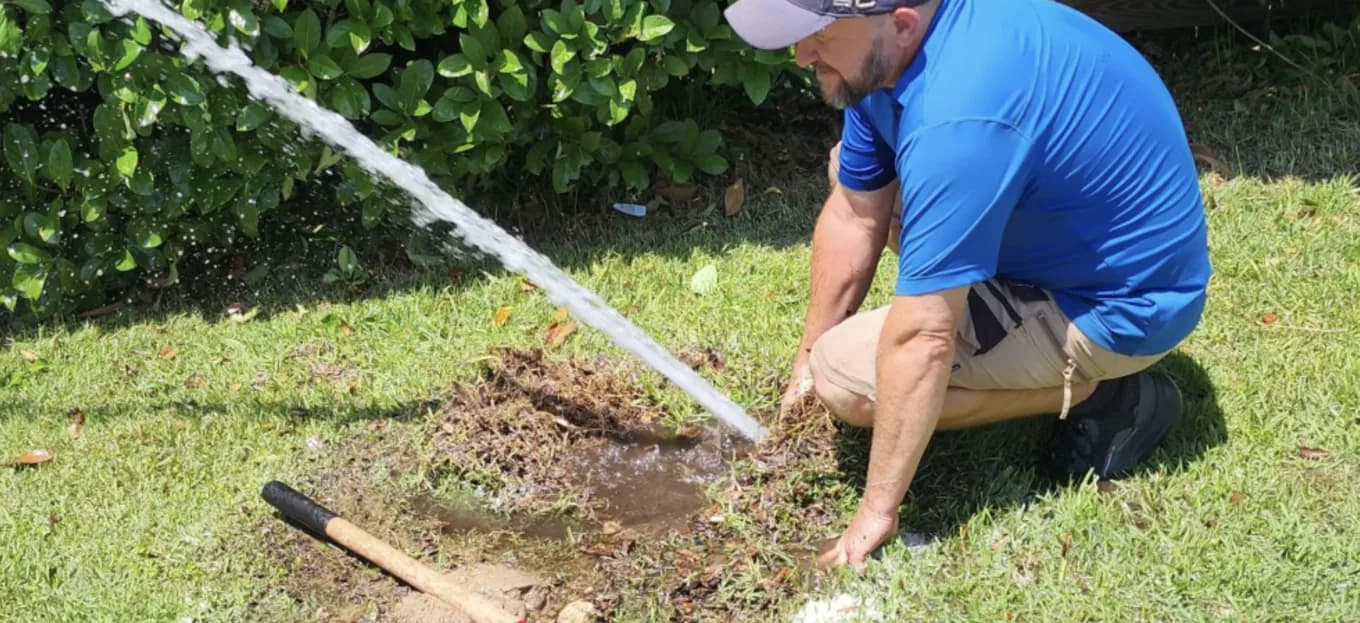
If some areas of your lawn are green and healthy while others are dry or stressed, your sprinkler system may not be providing proper coverage. A damaged sprinkler head, clogged nozzle, valve problem, or another irrigation issue can affect how water is distributed throughout the property.
Uneven watering should not be ignored. Your lawn may continue to show signs of stress even though the irrigation system appears to be running normally.
Broken or Damaged Sprinkler Heads
Sprinkler heads are exposed to lawn equipment, foot traffic, landscaping work, and normal wear. A damaged head may spray improperly, fail to pop up, or stop distributing water altogether.
Replacing or repairing the affected component can restore proper coverage and help prevent water from being wasted.
Clogged Nozzles
Dirt and debris can interfere with the spray pattern of a sprinkler nozzle. Instead of distributing water evenly, a clogged nozzle may produce a weak or irregular spray.
If cleaning the component does not resolve the problem, professional inspection can help determine whether the nozzle or another part of the system needs attention.
Leaks and Standing Water
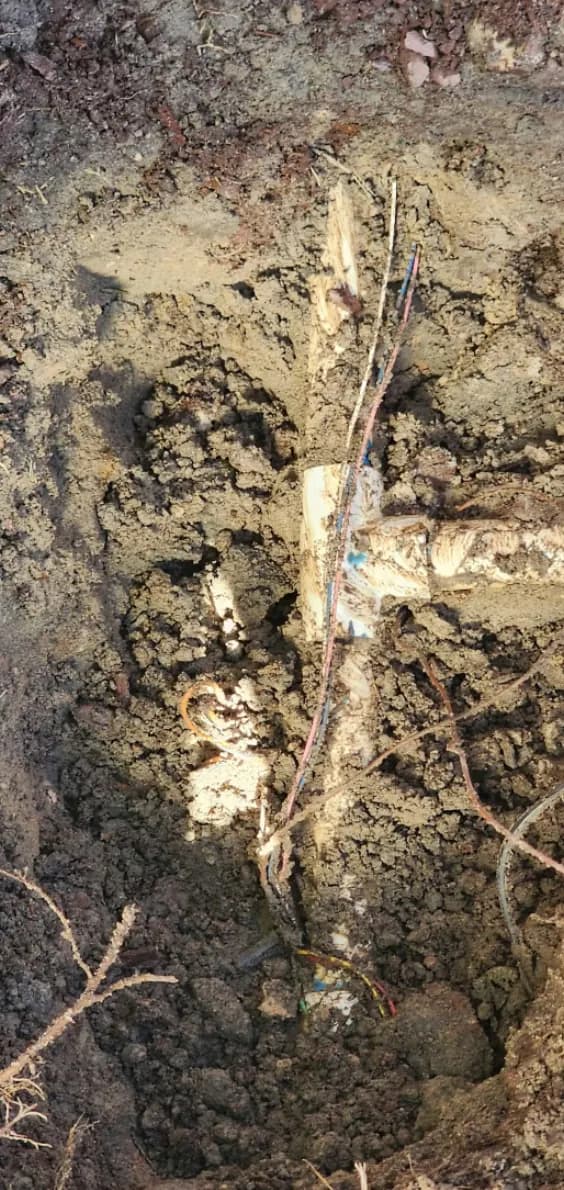
Unexpected wet spots, pooling water, or unusually saturated areas can be signs of an irrigation leak. Underground leaks can be particularly difficult to locate because the source of the problem may not be immediately visible.
A professional sprinkler inspection can help identify where the system is losing water and determine the appropriate repair.
Low Water Pressure
Low water pressure can affect the performance of an entire irrigation zone. Sprinklers may fail to reach their intended coverage area, resulting in dry spots and inconsistent watering.
Because low pressure can have multiple causes, simply replacing a sprinkler head may not solve the problem. A proper inspection can help identify what is actually causing the pressure issue.
Malfunctioning Valves or Controllers
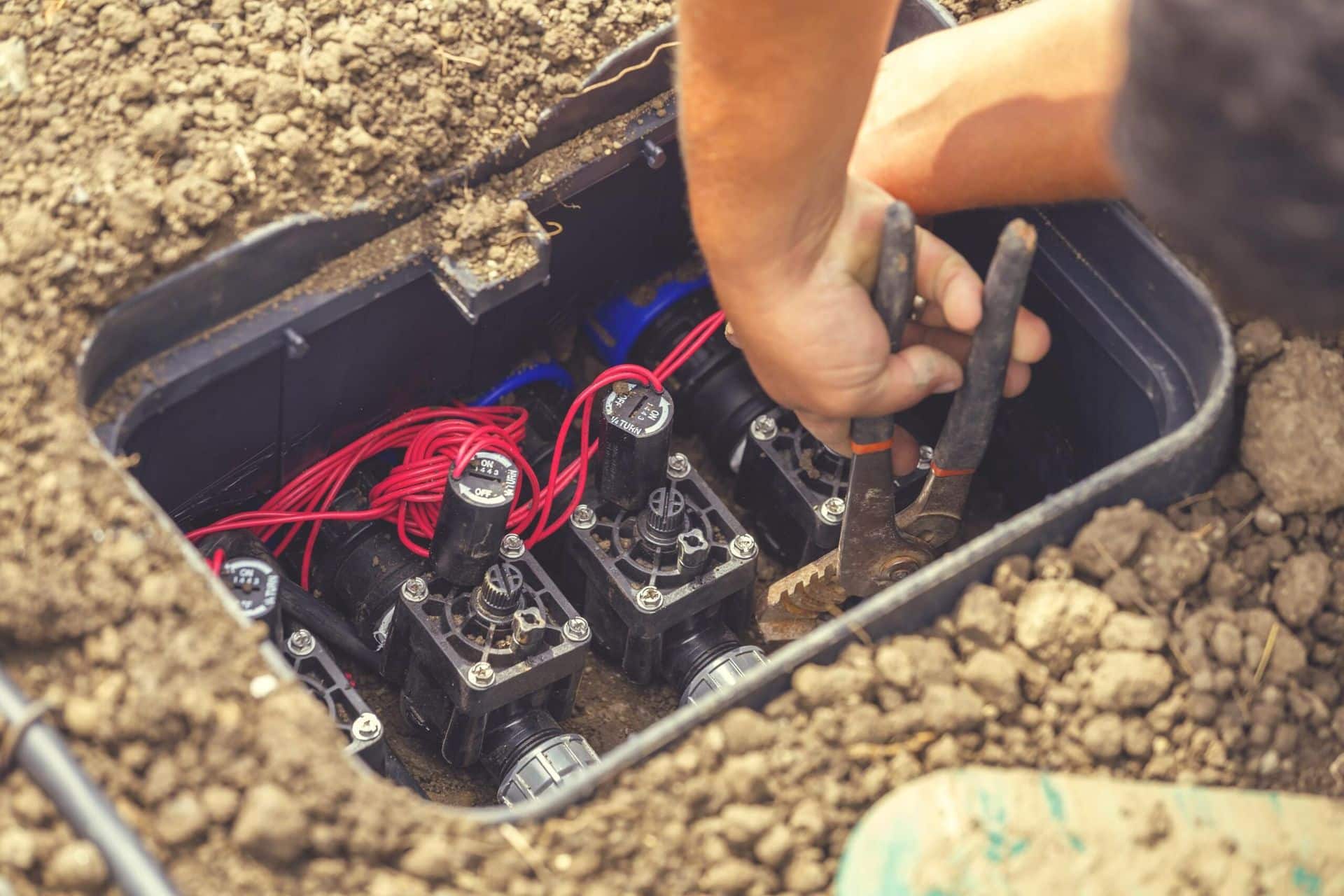
Valves control the flow of water through different zones of an irrigation system, while the controller determines when those zones operate. Problems with either component can prevent the system from running correctly.
A system that will not turn on, will not shut off, or is operating at the wrong times may need attention beyond a simple sprinkler-head replacement.
What Happens During Lawn Sprinkler Repair?
Professional lawn sprinkler repair begins with identifying the actual cause of the problem. Instead of assuming that the most visible damaged component is the source, a technician can inspect the system and determine what is affecting its performance.
For example, a low-pressure problem may require looking beyond the sprinkler heads themselves. An underground leak, valve problem, clogged component, or another issue may be contributing to poor performance.
Once the problem has been identified, the appropriate repair can be determined. Depending on the situation, that could involve repairing or replacing sprinkler heads, addressing clogged nozzles, repairing valves, correcting leaks, or troubleshooting the irrigation controller.
With IrriGators LLC, customers receive an upfront price before work begins. Many sprinkler repairs can be completed in under two hours, although more involved problems—such as underground leaks, valves, or controllers—can require additional time.
Why Professional Sprinkler Repair Can Be Worth It
Some sprinkler problems are straightforward, but irrigation systems can also have issues that are difficult to diagnose without experience. Replacing a visible component without addressing the underlying problem may leave the system performing poorly.
Professional troubleshooting can help determine why the system is not working as it should and identify the repair that is actually needed.
IrriGators LLC has more than two decades of experience troubleshooting and repairing residential and commercial irrigation systems. The company works with a variety of makes and models, including major brands such as Rain Bird, Hunter, Toro, and Orbit, and is Rain Bird certified.
Lawn Sprinkler Repair for Residential and Commercial Properties
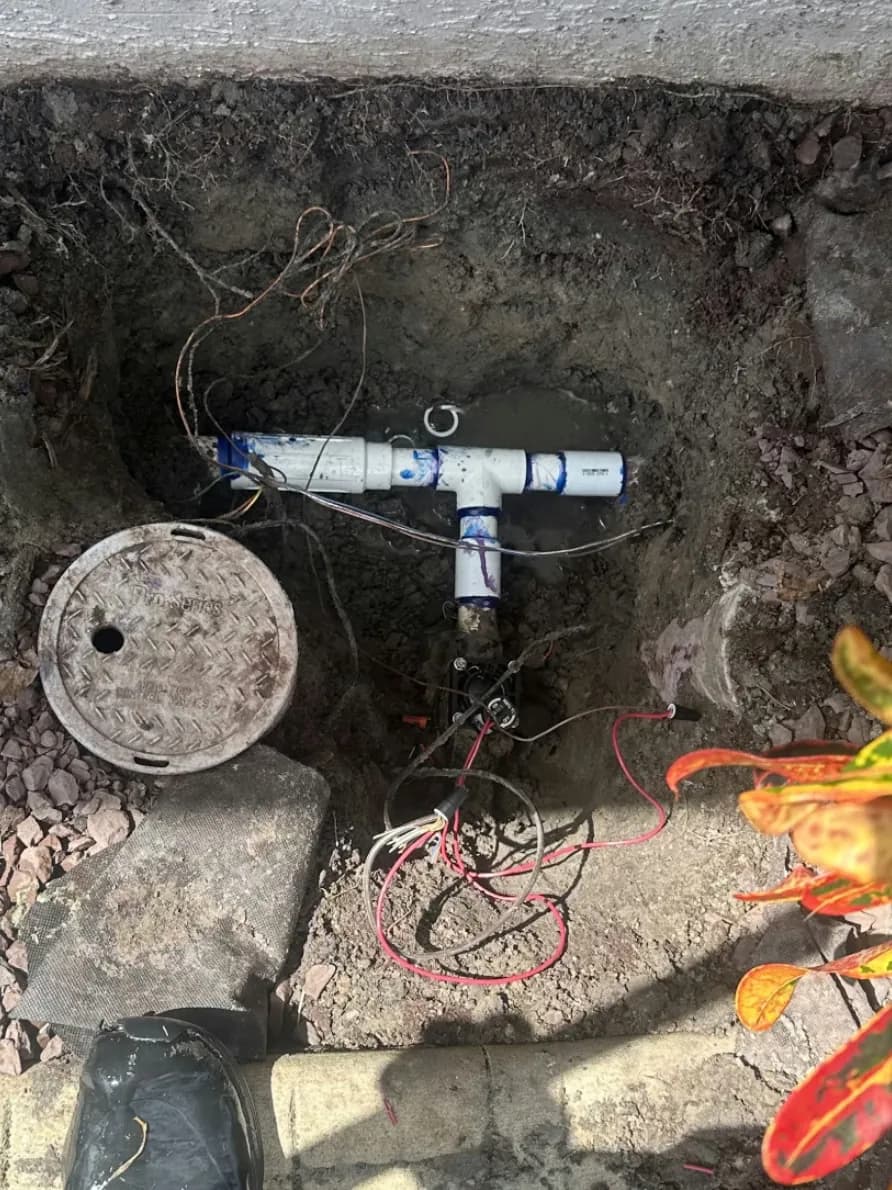
Irrigation problems are not limited to residential lawns. Commercial properties also depend on properly functioning sprinkler systems to maintain landscaping and provide consistent water coverage.
Whether the problem involves a single sprinkler head or a larger irrigation-system issue, identifying the cause early can help prevent the problem from becoming more extensive.
IrriGators LLC provides sprinkler repair services for both residential and commercial customers.
Don't Ignore Sprinkler Problems
A sprinkler system does not have to stop working completely before it needs repair. Uneven coverage, low water pressure, leaks, clogged nozzles, broken sprinkler heads, malfunctioning valves, and controller problems can all affect how effectively your irrigation system operates.
If your lawn shows signs of inconsistent watering or your sprinkler system isn't operating as it should, an inspection can help identify what is wrong and what needs to be done to fix it.
For homeowners and businesses looking for lawn sprinkler repair, IrriGators LLC can help diagnose irrigation problems and determine the appropriate repair for the system. Reach out at (352) 789-0913, or contact us online to get started today.
Not sure what's wrong with your system?
Start with the 20-point inspection. You get a written report either way.