

How to Tell if Your Irrigation System Is Leaking
As Ocala, Florida’s leading irrigation experts, we understand the crucial role a well-maintained irrigation system plays in keeping your lawn and garden vibrant and healthy. However, even the best systems can sometimes develop leaks, leading to higher water bills, damaged plants, and wasted resources.
At IrriGators LLC, we know that early detection of these leaks can save you money, conserve water, and ensure your landscape remains in top condition. That’s why we’ve put together this guide to help you tell if your irrigation system is leaking. By keeping an eye out for these common indicators, you can catch leaks early and take action before they cause significant damage.
Join us as we explore some telltale signs of irrigation system leaks and provide you with the knowledge to maintain a leak-free, efficient irrigation setup.
Unusually High Water Bills
One of the most noticeable indicators of a leak in your irrigation system is a sudden spike in your water bill. Suppose you notice an unexpected increase in your water usage without any changes in your water habits. In that case, it’s time to investigate further. Leaks can waste a significant amount of water, leading to higher bills and unnecessary expenses.
How to Compare Your Water Bills
To determine if your irrigation system might be the culprit, start by comparing your current water bill to previous months. Look for any unusual increases, especially during periods when your irrigation system is in regular use. It’s also helpful to compare your current bill to the same period in previous years to account for seasonal variations in water usage.
Monitoring Water Bills Regularly
Regular monitoring of your water bills can help you catch potential leaks early. Consider keeping a record of your monthly water usage and costs. This proactive approach allows you to spot any anomalies quickly and take action before the problem escalates.
If you notice a significant increase in your water bill and suspect a leak, it’s important to investigate further. The following sections will guide you through additional signs to watch for and steps to take to confirm and address the issue.
Puddles and Wet Spots in the Yard
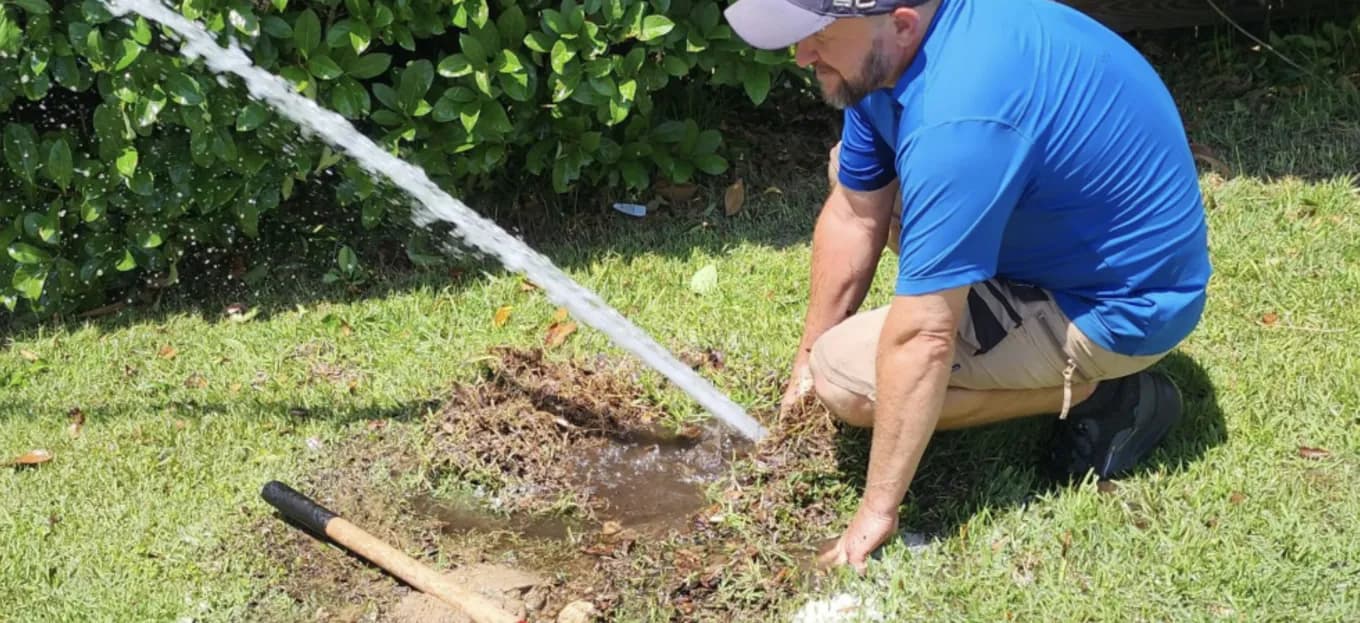
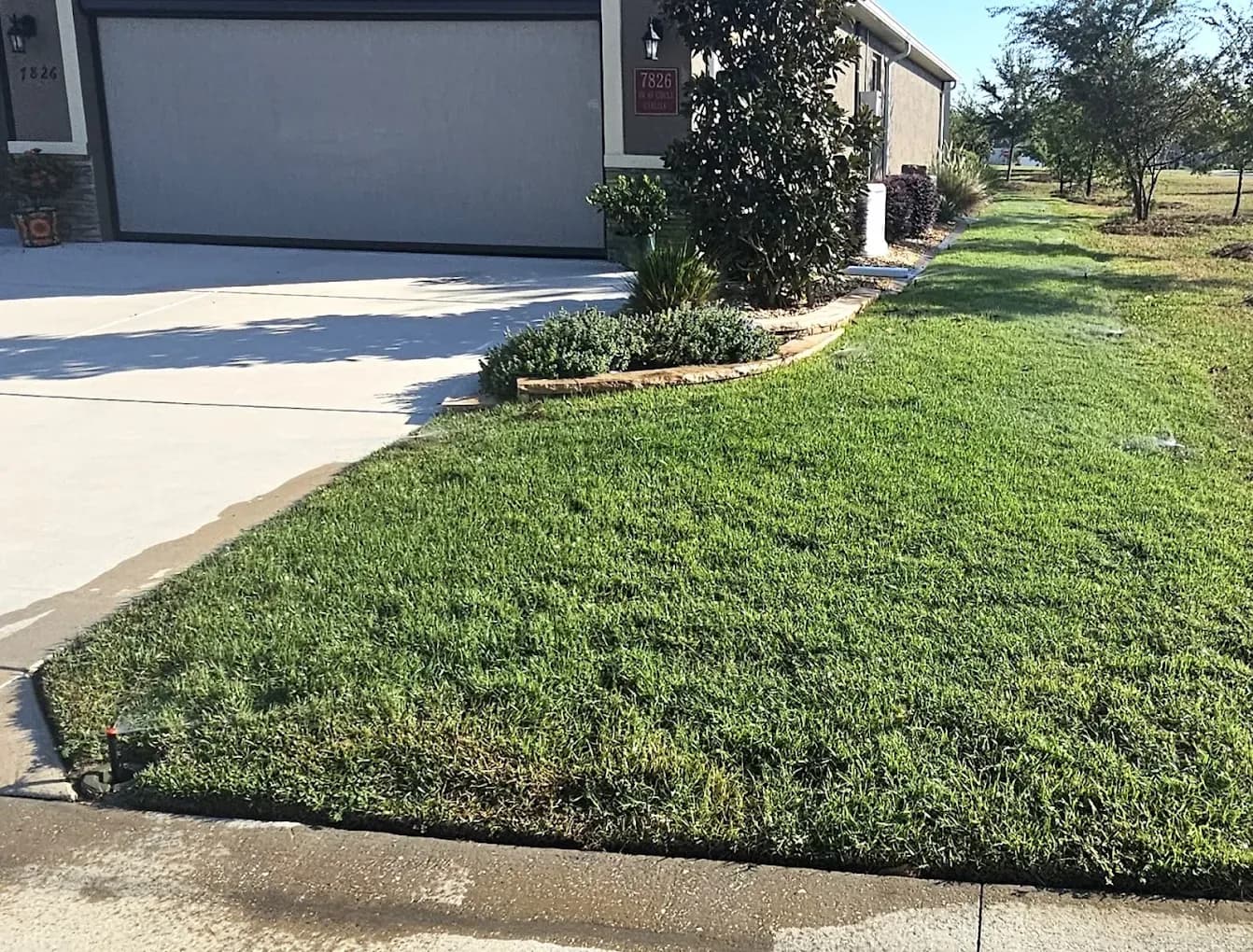
Persistent puddles or wet spots in your yard are often a clear sign that your irrigation system may be leaking. Even in the absence of recent rainfall, these waterlogged areas can indicate that water is escaping from your irrigation lines or sprinkler heads.
Identifying Unusual Wet Spots
Walk around your yard and look for areas that seem wetter than the surrounding soil. These spots may appear as soggy patches or small puddles that don’t dry out, even on sunny days. Pay close attention to the ground around your sprinkler heads, valves, and irrigation lines.
Checking for Water Accumulation
While some wet spots can result from natural drainage issues, consistent water accumulation in the same locations often points to a leak. Mark these areas and observe them over a few days to see if they remain wet or even expand. Additionally, look for signs of erosion or unusual plant growth, as these can also indicate excess water.
Addressing Wet Spots
Once you’ve identified suspicious wet spots, it’s essential to act quickly. These leaks not only waste water but can also lead to soil erosion and plant damage. Start by turning off your irrigation system and checking the affected areas again. If the wet spots dry up, this confirms that the irrigation system is likely the source of the leak.
In the next sections, we’ll cover more signs to help you pinpoint the exact location of leaks in your irrigation system and offer tips on how to fix them effectively.
Low Water Pressure
Low water pressure in your irrigation system can be another strong indicator of a leak. When your system is leaking, water escapes before it reaches the sprinkler heads, resulting in reduced pressure and uneven water distribution. This can lead to dry spots on your lawn and garden, affecting the health and appearance of your plants.
Causes of Low Water Pressure
Several factors can cause low water pressure in your irrigation system, but leaks are among the most common. Here are a few potential causes:
- Cracked or Broken Pipes: Damage to underground pipes can lead to water escaping before it reaches the sprinkler heads.
- Clogged Sprinkler Heads: Debris and dirt can block sprinkler heads, reducing water flow and pressure.
- Faulty Valves: Valves that are partially closed or damaged can restrict water flow, leading to decreased pressure.
Measuring Water Pressure
To determine if your irrigation system is experiencing low water pressure due to a leak, you can measure the water pressure at your sprinkler heads. Here’s how:
- Turn on Your System: Activate your irrigation system and observe the water flow from each sprinkler head.
- Check for Consistency: Look for any sprinklers that are not spraying as far or as forcefully as they should.
- Use a Pressure Gauge: Attach a water pressure gauge to a sprinkler head and compare the reading to the recommended pressure for your system. Low readings may indicate a leak or other issue.
Troubleshooting and Fixing Low Water Pressure
If you identify low water pressure in your irrigation system, here are a few steps to troubleshoot and fix the issue:
- Inspect Sprinkler Heads: Clean any clogged sprinkler heads and replace damaged ones.
- Check for Visible Damage: Look for signs of cracks or breaks in visible pipes and valves.
- Call a Professional: If you suspect a leak but can’t locate it, consider contacting IrriGators LLC for a thorough inspection and repair.
Addressing low water pressure promptly can help maintain the efficiency of your irrigation system and ensure your lawn and garden receive adequate water. In the next sections, we’ll explore more signs of irrigation system leaks and how to tackle them effectively.
Water Meter Check
One of the most reliable ways to detect a leak in your irrigation system is to use your water meter. This method can help you confirm whether there’s an unseen leak in your system, potentially saving you from wasted water and high bills. Here’s a step-by-step guide on how to perform a water meter check to detect leaks.
Step-by-Step Guide to Using Your Water Meter
- Turn Off All Water Sources: Begin by ensuring that all water sources inside and outside your home are turned off. This includes faucets, appliances, and your irrigation system. Make sure no water is being used during the test.
- Locate Your Water Meter: Find your water meter, typically located near the front of your property, close to the street or sidewalk. The meter is usually housed in a covered box that you can open.
- Record the Meter Reading: Write down the current reading on your water meter, including both the number display and any rotating dials. This will be your starting point for the test.
- Wait and Monitor: Leave all water sources off for at least one to two hours. During this period, avoid using any water in your home to ensure an accurate test.
- Check the Meter Again: After the waiting period, check your water meter reading again. If the reading has changed, this indicates that water has been flowing, suggesting a leak in your irrigation system or another part of your plumbing.
Interpreting the Results
- No Change in Reading: If the meter reading remains the same, your irrigation system is likely free of leaks.
- Increased Reading: If the meter reading has increased, there is a leak somewhere in your system. The next step is to pinpoint the exact location.
Pinpointing the Leak
If your water meter test indicates a leak, the next step is to locate it. This is where IrriGators LLC can step in and make the process seamless for you:
- Isolate the Irrigation System: Our experts will turn off the main water supply to your irrigation system to determine if the leak is within the system.
- Thorough Inspection: We will conduct a comprehensive inspection of all visible components of your irrigation system, including sprinkler heads, valves, and exposed pipes, to identify any signs of damage or leaks.
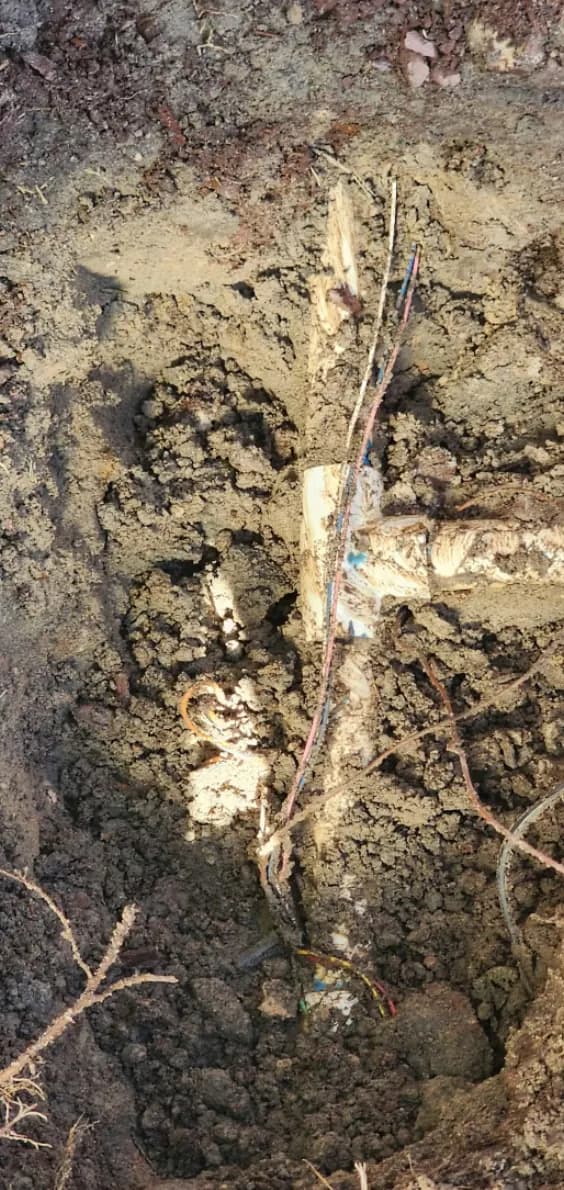
- Advanced Detection Methods: Utilizing advanced leak detection technology, we can locate even the most elusive leaks that might be hidden underground or within complex systems.
Taking Action
Once IrriGators LLC has pinpointed the leak, we will take swift and effective action to resolve the issue:
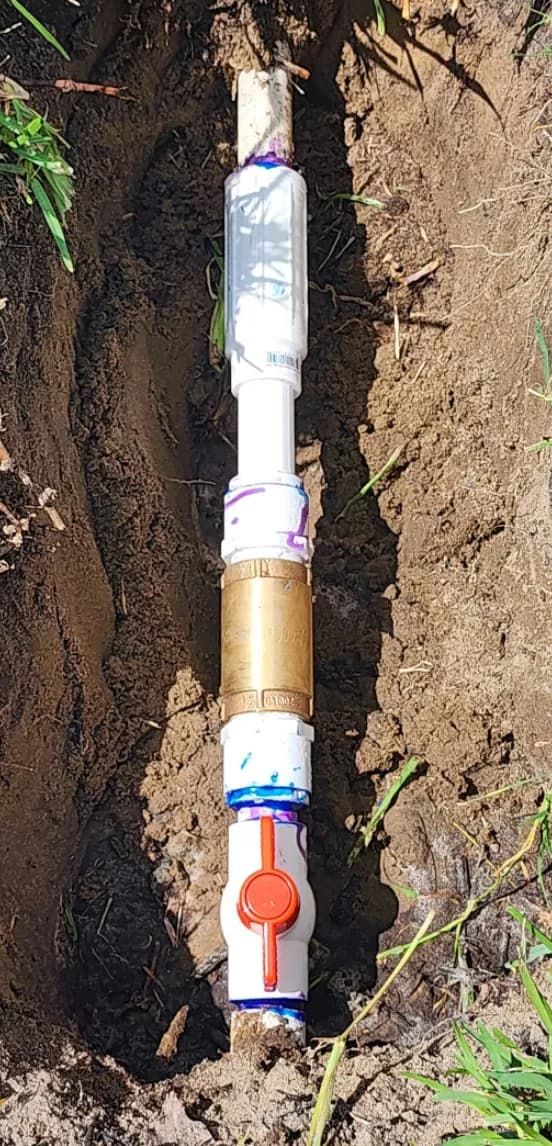
- Expert Repairs: Our team will repair or replace any damaged components, such as sprinkler heads, valves, or pipes, ensuring your system is restored to optimal function.
- System Optimization: In addition to fixing the leak, we will assess your entire irrigation system to identify any areas for improvement, helping prevent future leaks and enhancing efficiency.
- Professional Guidance: We will provide you with tips and recommendations on maintaining your irrigation system, ensuring it remains leak-free and operates efficiently for years to come.
By entrusting IrriGators LLC with the task of detecting and repairing leaks, you can be confident that your irrigation system is in capable hands. Our experienced team will ensure your system is functioning correctly, saving you water and reducing your utility bills. In the next section, we’ll discuss how to inspect visible damage to irrigation equipment.
Visible Damage to Irrigation Equipment
Regular inspection of your irrigation system’s visible components is crucial for maintaining efficiency and preventing leaks. Damage to sprinkler heads, valves, and pipes can lead to water loss and uneven watering, affecting your lawn and garden.
Start by examining sprinkler heads for cracks, breaks, clogs, and misalignment. Damaged or clogged heads can leak water and reduce flow. Next, check the valves for leaks, corrosion, and proper functionality, as faulty valves can waste water and cause pressure issues. Inspect both underground and exposed pipes for wet spots, cracks, and loose connections. Even small cracks can lead to significant water loss over time. Ensure all fittings are tight and secure.
If you find any damage, promptly repair or replace the affected components. For extensive damage or uncertainty about repairs, consult the experts at IrriGators LLC. Regular maintenance checks by professionals can help catch potential issues early and keep your system running smoothly. By regularly inspecting and maintaining your irrigation equipment, you can prevent leaks, conserve water, and ensure your landscape remains healthy.
Early Detection and Expert Care with Irrigatos LLC
Keeping your irrigation system in good working order is much like maintaining a healthy body—it requires regular check-ups and attention to early warning signs. By staying vigilant and knowing how to tell if your irrigation system is leaking, such as watching for unusually high water bills, persistent puddles, low water pressure, and visible damage to equipment, you can catch leaks early and prevent larger issues down the road.
Think of your irrigation system as the lifeline of your lawn and garden. Just as you wouldn’t ignore a leaky faucet in your home, it’s crucial not to overlook the signs of leaks in your irrigation system. By addressing these issues promptly, you can save water, reduce your utility bills, and ensure your landscape thrives.
At IrriGators LLC, we’re here to help you maintain a healthy and efficient irrigation system. Whether you need assistance with detecting leaks, performing repairs, or conducting regular maintenance, our team of experts is ready to provide Ocala residents the support they need. Don’t let leaks drain your resources—contact us today for professional and reliable irrigation services.
< Older Post
Not sure what's wrong with your system?
Start with the 20-point inspection. You get a written report either way.